
 Book An Appointment


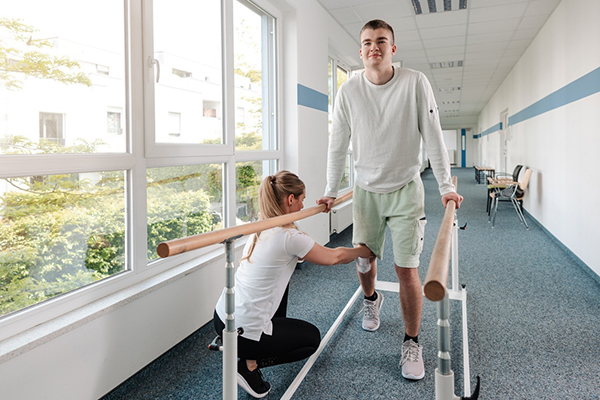
You have a surgery date on the calendar, and the first question on your mind is simple: when will you feel like yourself again? You may be thinking about work, driving across the 520 bridge or getting back on the trail. The answer depends on which procedure you have and what your knee needs to heal. Here are realistic recovery timelines for common knee surgeries and what shapes each one.
Why Recovery Timelines Vary So Much
"Knee surgery" covers a wide range of procedures. Trimming a small meniscus fragment and reconstructing a ligament are very different operations, with very different healing demands. Your timeline depends on the tissue being treated, whether it must grow back together, how much weight your knee can safely carry early on and your own health and fitness going in.
It also helps to separate a few milestones. Walking comfortably, returning to a desk job, driving and returning to sport each follow a separate schedule.
Recovery by Procedure
Meniscus Surgery
When a torn piece of meniscus is trimmed away, a partial meniscectomy, you can typically bear weight right away and regain full motion soon after.1 Rehabilitation usually takes about 3 to 6 weeks.1
Repairing the meniscus is a different story. Because the torn edges must heal back together, rehabilitation for a meniscus repair takes about 3 to 6 months.1 The trade off is that a repair aims to preserve the tissue that cushions your joint. We often favor saving the meniscus when the tear allows, including specialized root repair for tears near the meniscus attachment. The type, size and location of your tear guide whether meniscal tears can be repaired or are better trimmed.
ACL Reconstruction
ACL reconstruction has one of the longer paths back to sport, because the new graft has to incorporate into your knee. Timing matters here. In one cohort study, the reinjury rate dropped by 51% for each month return to sport was delayed, up to 9 months after surgery, and returning with more symmetrical quadriceps strength also lowered risk.2 That is why decisions about returning to sport are typically based on strength and function, not only the calendar. Our approach to ACL reconstruction uses modern anatomic techniques designed to support a smooth recovery.
Cartilage Restoration
Cartilage procedures ask for patience, because new tissue needs protection while it matures. After MACI cartilage implantation, you may be non weightbearing for 2 to 6 weeks depending on any combined procedures, and a continuous passive motion machine is usually used for 2 to 3 weeks to keep your knee bending smoothly. Rehabilitation then moves through structured phases, beginning with protection in the first 6 weeks and gradually increasing weight bearing from 6 to 12 weeks.
Osteotomy
An osteotomy realigns your leg to shift load away from a damaged part of the knee. Because the bone must heal in its new position, you will use crutches with limited weight bearing for several weeks, and a follow up X ray at 3 months confirms the correction. Our high tibial osteotomy approach is often paired with cartilage work when alignment contributes to the problem.
Patellofemoral Replacement
When arthritis is limited to the kneecap joint, a patellofemoral knee replacement resurfaces only that area. Most therapy is completed in 6 to 12 weeks. Office work often resumes within 2 to 4 weeks, driving within 2 to 3 weeks for the non dominant leg or 4 to 6 weeks for the dominant leg, and lighter activities such as cycling, golf and swimming around 6 to 8 weeks.
What Speeds Up or Slows Down Your Recovery
Preparation counts. Our accelerated recovery program focuses on the weeks before surgery as well as after, including nutrition and planning, to help you start rehabilitation in a stronger position. Reviewing what to expect on surgery day, through our guide to preparing for surgery, can make the first days at home smoother.
After surgery, consistency with your exercises is one of the biggest factors you control. Our knee post op rehab protocols give you and your physical therapist a phased plan, and you will receive any additional instructions specific to your procedure. Pushing too hard too soon can set you back, while skipping sessions can leave you stiff and weak.
Frequently Asked Questions
How long does it take to walk normally after knee surgery?
It depends on the procedure. After a partial meniscectomy, you can usually bear weight right away,1 while cartilage restoration and osteotomy require several weeks of protected weight bearing.
How long is recovery after meniscus repair compared with meniscus removal?
Meniscus repair rehabilitation takes about 3 to 6 months, while a partial meniscectomy takes about 3 to 6 weeks.1
When can I return to sports after ACL reconstruction?
Your return is typically based on strength and function rather than a single date. Research suggests that waiting until at least 9 months and restoring quadriceps strength lowers reinjury risk.2
Will I need physical therapy after knee surgery?
Yes, in most cases. A structured rehabilitation plan helps restore motion and strength and protects the repair while it heals.
Can I have knee surgery in Seattle if I live in Bellevue, Everett or Kirkland?
Yes. We see you at our Ballard and Wallingford offices in Seattle, and surgery may take place at Seattle Orthopedic Center, an outpatient surgery center.
Planning Your Knee Surgery Recovery in Seattle
Knowing what your recovery will involve makes it easier to plan time off work, arrange help at home and set goals you can reach. Your timeline will be tailored to your knee, your procedure and the activities you want to return to. If you are considering knee surgery, you can request an appointment online to discuss your options and recovery plan with our team.
References
- Wittstein JR. Meniscus Tears. OrthoInfo, American Academy of Orthopaedic Surgeons.
- Grindem H, Snyder-Mackler L, Moksnes H, Engebretsen L, Risberg MA. Simple decision rules reduce reinjury risk after anterior cruciate ligament reconstruction: the Delaware-Oslo ACL cohort study. British Journal of Sports Medicine. 2016.
Grant H. Garcia, MD is a board-certified, fellowship-trained orthopedic surgeon specializing in sports medicine, shoulder surgery, knee preservation, and cartilage restoration. He serves patients throughout the Seattle, Bellevue, Everett, and Kirkland areas, helping athletes and active individuals recover from injuries and return to the activities they enjoy. Dr. Garcia completed advanced training at Hospital for Special Surgery and Rush University Medical Center and is recognized for his expertise in minimally invasive arthroscopic procedures, ACL reconstruction, meniscus repair, shoulder instability, and joint preservation techniques.