

 Book An Appointment



Whether you enjoy hiking in the Pacific Northwest, playing weekend sports, skiing, or simply keeping up with daily life, healthy joints are essential for staying active. Persistent pain, instability, or limited mobility can gradually reduce your confidence and prevent you from doing what you love. Fortunately, modern orthopedic care focuses on preserving movement whenever possible. Here is how an orthopedic surgeon can help you stay active at every stage of life.
Why Staying Active Matters for Long-Term Joint Health
Regular physical activity strengthens muscles, improves flexibility, supports heart health, and helps maintain a healthy weight. Strong muscles also stabilize joints, reducing stress on cartilage, ligaments, and tendons.
When pain develops, many people become less active to avoid discomfort. Unfortunately, prolonged inactivity can weaken muscles, increase joint stiffness, and make orthopedic conditions worse. Early evaluation helps identify the cause of pain and creates a treatment plan that supports both recovery and continued activity.
Treating Sports Injuries Before They Become Bigger Problems
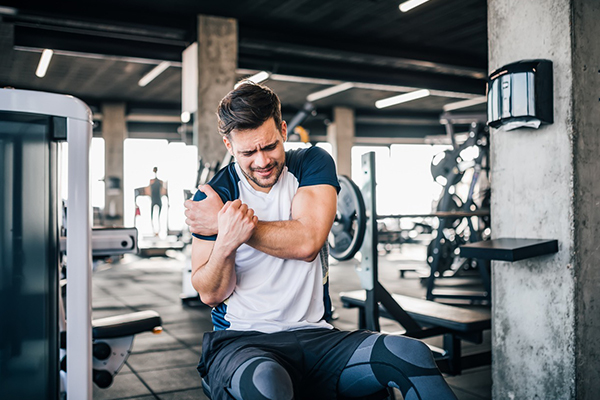
Sports injuries are among the most common reasons people seek orthopedic care. Whether you are a competitive athlete or someone who enjoys recreational activities, injuries can occur unexpectedly.
Orthopedic sports medicine specialists diagnose and treat conditions such as:
- ACL tears
- Meniscus injuries
- Rotator cuff tears
- Shoulder instability
- Cartilage injuries
- Patellar instability
- Elbow ligament injuries
Many of these conditions can initially be managed with rehabilitation, activity modification, or minimally invasive procedures. Early treatment often helps patients return to sports more safely while reducing the risk of long-term joint damage.
Preserving Your Natural Joints Whenever Possible
One of the primary goals of modern orthopedic care is joint preservation. Rather than immediately considering joint replacement, orthopedic surgeons evaluate treatments that may restore function while protecting the natural joint.
Depending on the condition, joint preservation strategies may include:
- Arthroscopic surgery
- Meniscus repair
- Cartilage restoration procedures
- MACI cartilage implantation
- Osteochondral transplantation
- Meniscus transplantation
- Corrective osteotomy
- Ligament reconstruction
These advanced techniques are particularly valuable for younger and active adults who want to maintain an active lifestyle for many years.
Advanced Shoulder and Knee Care Supports Active Living
The shoulder and knee are among the body's most frequently injured joints because they experience substantial stress during sports and everyday activities.
For shoulder conditions, orthopedic surgeons evaluate problems such as rotator cuff tears, recurrent shoulder dislocations, labral injuries, arthritis, and instability. Treatment options range from physical therapy and arthroscopic surgery to shoulder replacement when necessary.
For knee conditions, comprehensive care includes treatment for ACL injuries, meniscus tears, cartilage defects, ligament injuries, and patellofemoral instability. Personalized treatment plans help restore stability while protecting long-term joint health.
Helping You Return to the Activities You Enjoy
Recovery is about more than healing an injury. It is about returning to the activities that matter most to you.
Whether your goal is returning to skiing, tennis, pickleball, running, weight training, or hiking, orthopedic specialists consider your lifestyle when developing a treatment plan. Rehabilitation, strength training, flexibility exercises, and gradual return-to-sport programs all play important roles in achieving a safe recovery.
For patients with complex injuries or previous failed surgeries, specialized reconstruction techniques and individualized rehabilitation may help restore both confidence and function.
Knowing When to See an Orthopedic Surgeon
Many people wait months before seeking evaluation, hoping pain will resolve on its own. However, persistent symptoms may indicate injuries that become more difficult to treat over time.
Consider scheduling an orthopedic evaluation if you experience:
- Joint pain lasting several weeks
- Swelling that repeatedly returns
- Knee or shoulder instability
- Locking or catching of a joint
- Difficulty participating in sports
- Reduced range of motion
- Pain that interferes with sleep or daily activities
Prompt diagnosis often expands treatment options and may help avoid more extensive procedures later.
A Personalized Approach to Lifelong Mobility
Every patient has different goals. A young athlete recovering from an ACL injury has different needs than someone hoping to remain active during retirement. Orthopedic surgeons tailor treatment recommendations based on the specific injury, activity level, age, and overall health of each patient.
By combining advanced imaging, minimally invasive techniques, sports medicine expertise, cartilage restoration, ligament reconstruction, and comprehensive rehabilitation, orthopedic specialists help patients regain mobility while supporting long-term joint health.
Frequently Asked Questions
When should I see an orthopedic surgeon for joint pain?
If pain lasts longer than a few weeks, limits daily activities, follows an injury, or causes instability, swelling, or reduced movement, an orthopedic evaluation is recommended.
Can orthopedic surgeons help me avoid joint replacement?
Yes. Many patients benefit from joint preservation treatments such as physical therapy, arthroscopic surgery, cartilage restoration, meniscus repair, or ligament reconstruction before joint replacement becomes necessary.
What sports injuries do orthopedic surgeons commonly treat?
Common injuries include ACL tears, meniscus tears, rotator cuff injuries, shoulder instability, cartilage damage, elbow ligament injuries, and patellar instability.
Is arthroscopic surgery better than open surgery?
Arthroscopic surgery uses small incisions and specialized instruments, which often result in less tissue disruption and faster recovery for appropriately selected conditions. The best approach depends on the specific injury.
Can I return to sports after orthopedic surgery?
Many patients successfully return to recreational or competitive sports after completing rehabilitation. Recovery timelines depend on the procedure performed, the severity of the injury, and adherence to the rehabilitation plan.
Remaining active is one of the best investments you can make in your long-term health, and orthopedic care plays an important role in protecting that mobility. If persistent joint pain or a sports injury is limiting your lifestyle, consulting an experienced orthopedic surgeon can help you explore personalized treatment options that support a safe return to the activities you enjoy most.
Grant H. Garcia, MD is a board-certified, fellowship-trained orthopedic surgeon specializing in sports medicine, shoulder surgery, knee preservation, and cartilage restoration. He serves patients throughout the Seattle, Bellevue, Everett, and Kirkland areas, helping athletes and active individuals recover from injuries and return to the activities they enjoy. Dr. Garcia completed advanced training at Hospital for Special Surgery and Rush University Medical Center and is recognized for his expertise in minimally invasive arthroscopic procedures, ACL reconstruction, meniscus repair, shoulder instability, and joint preservation techniques.