
 Book An Appointment


The LET of the shoulder
Dr. Garcia does blog topics on “hot and new” topics in the community. See his monthly vlog videos below.
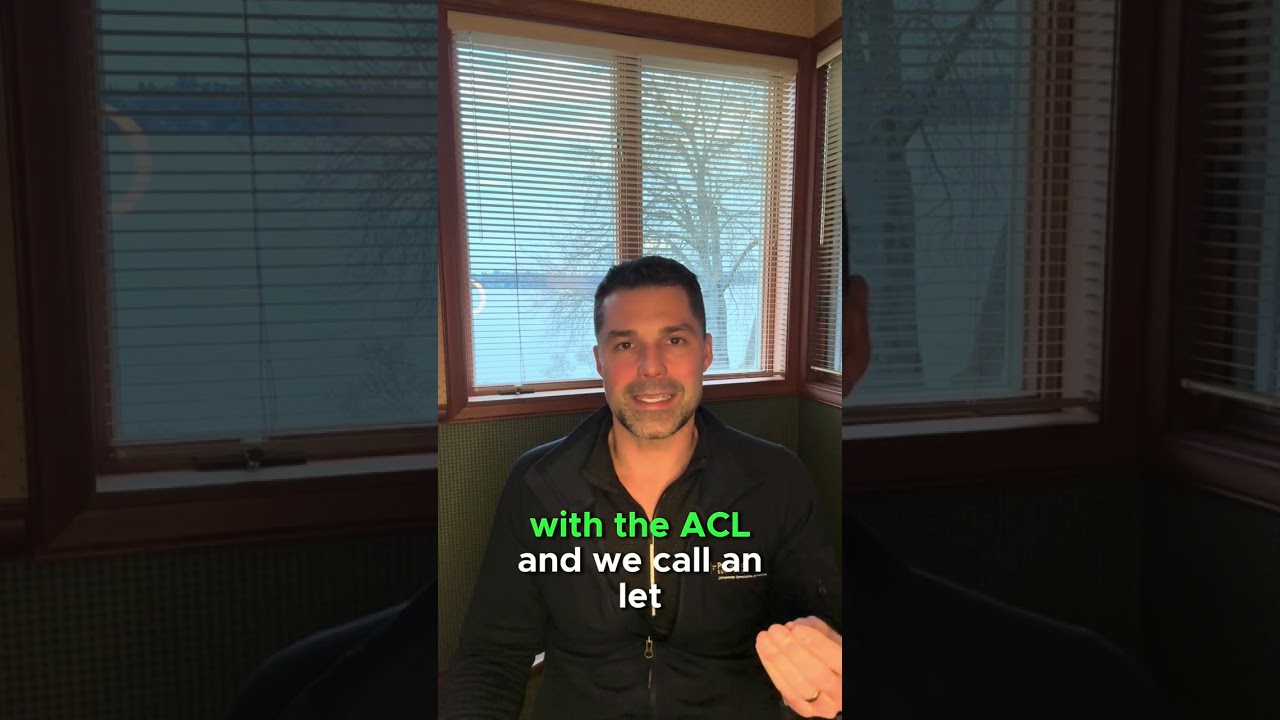
In this video, Dr. Grant H. Garcia expands on the remplissage procedure, describing it as the shoulder's equivalent to an LET (lateral extra-articular tenodesis) in the knee—a reliable secondary procedure that adds massive stability to a primary repair.
Here is a summary of the key points he discusses:
- Mitigating the Risk of Overtightening: Dr. Garcia addresses the common surgical concern that anchoring the rotator cuff tendon into a bone dent might overtighten the shoulder. He explains that by following specific entry angles within an established "safe zone," surgeons can achieve excellent fixation without compromising the joint's movement.
- Minimal Surgical Time, Maximum Benefit: In his operating room, adding a remplissage alongside a standard labral repair only adds about 10 minutes to the total surgery time. Despite taking very little extra time, it drastically slashes the patient's risk of a repeat dislocation.
- The Multi-Step Treatment Trend: He compares the procedure to an LET in ACL knee surgery, noting that orthopedics is shifting toward using multi-step procedures for high-risk cases to guarantee a successful outcome.
- Ideal Candidates for a Remplissage: Dr. Garcia states that a remplissage should be the first line of thought for:
- High-level athletes.
- Patients who have suffered more than two or three dislocations and have a decent-sized Hill-Sachs bone dent.
- Revision labral surgeries (fixing a previous repair that failed), provided the patient has minimal or no severe bone loss on the socket wall.
He wraps up by teasing that even newer, more advanced pipeline techniques are currently being developed to make this already highly effective surgery run even smoother for surgeons in the near future.