
 Book An Appointment


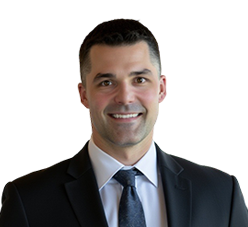
Nutrition Series Video 9: GLP-1s
Dr. Garcia does blog topics on “hot and new” topics in the community. See his monthly vlog videos below.
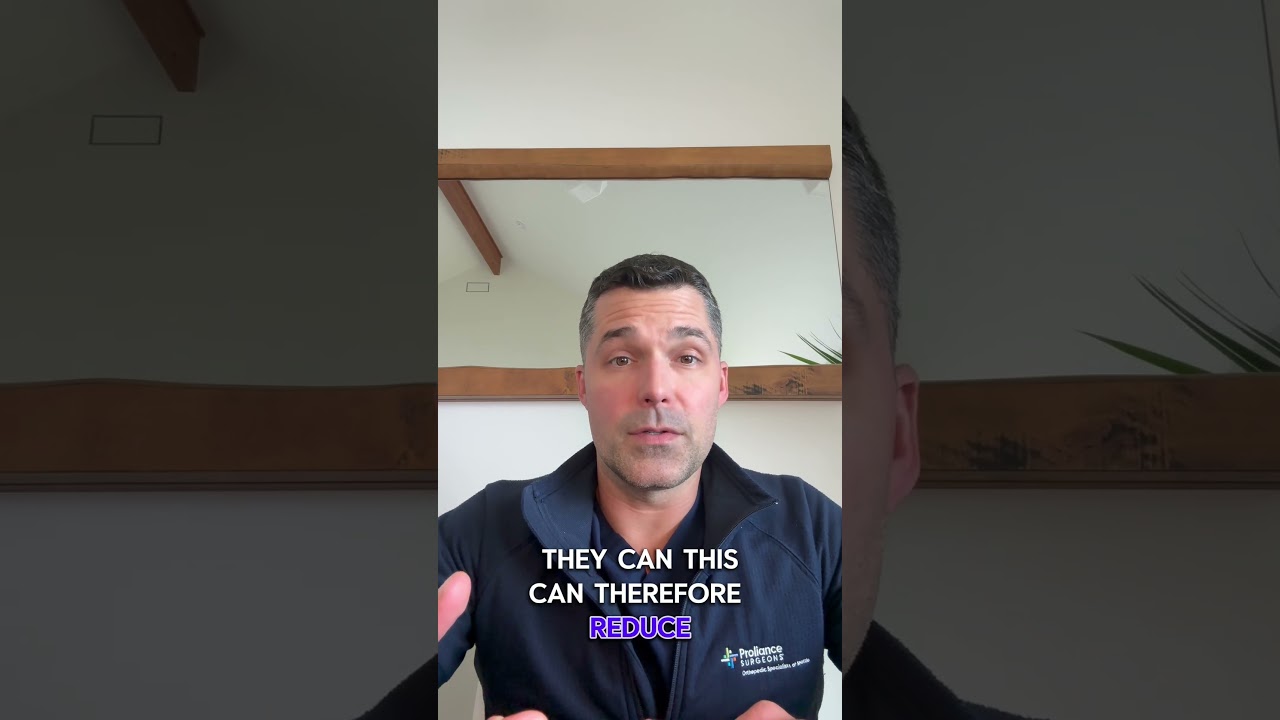
In this video, Dr. Grant H. Garcia breaks down the critical relationship between GLP-1 receptor agonist medications (popular weight-loss and diabetes drugs) and surgical recovery, outlining the hidden nutritional risks they introduce for orthopedic patients.
Here is a summary of the core medical insights he shares:
- The Surgical Context of GLP-1s: While GLP-1 agonists are incredibly effective for weight management and reducing certain systemic inflammatory markers, they present modern pre-operative challenges that surgeons must now carefully manage.
- The Risk of Rapid Muscle Loss: Because these medications work primarily via appetite suppression, patients on them frequently experience a steep decline in their daily food intake. Dr. Garcia warns that this often drops a patient's protein intake far below the necessary "anabolic threshold" required for muscle maintenance. When a patient enters surgery already under-fueled, they face an accelerated risk of post-operative muscle wasting.
- The Danger of Delayed Gastric Emptying: Aside from nutritional concerns, GLP-1s physically slow down how quickly food leaves the stomach (delayed gastric emptying). This poses a serious risk under anesthesia, meaning patients must strictly follow medical guidelines to stop taking these medications for a specific period before their scheduled surgery.
- Targeted Pre-Operative Strategies: Dr. Garcia emphasizes that being on a GLP-1 is absolutely not a contraindication for surgery, but it does require proactive nutritional compensation. He recommends several targeted protocols:
- High-Density Supplementation: Utilizing concentrated liquid protein supplements and essential amino acid formulas to easily bypass appetite suppression and hit daily protein targets.
- Resistance Training Prehab: Participating in a structured pre-operative physical therapy and resistance training program to build and protect as much lean muscle mass as possible before the operation.