

 Book An Appointment



Nutrition Series Video 10: Prehab
Dr. Garcia does blog topics on “hot and new” topics in the community. See his monthly vlog videos below.
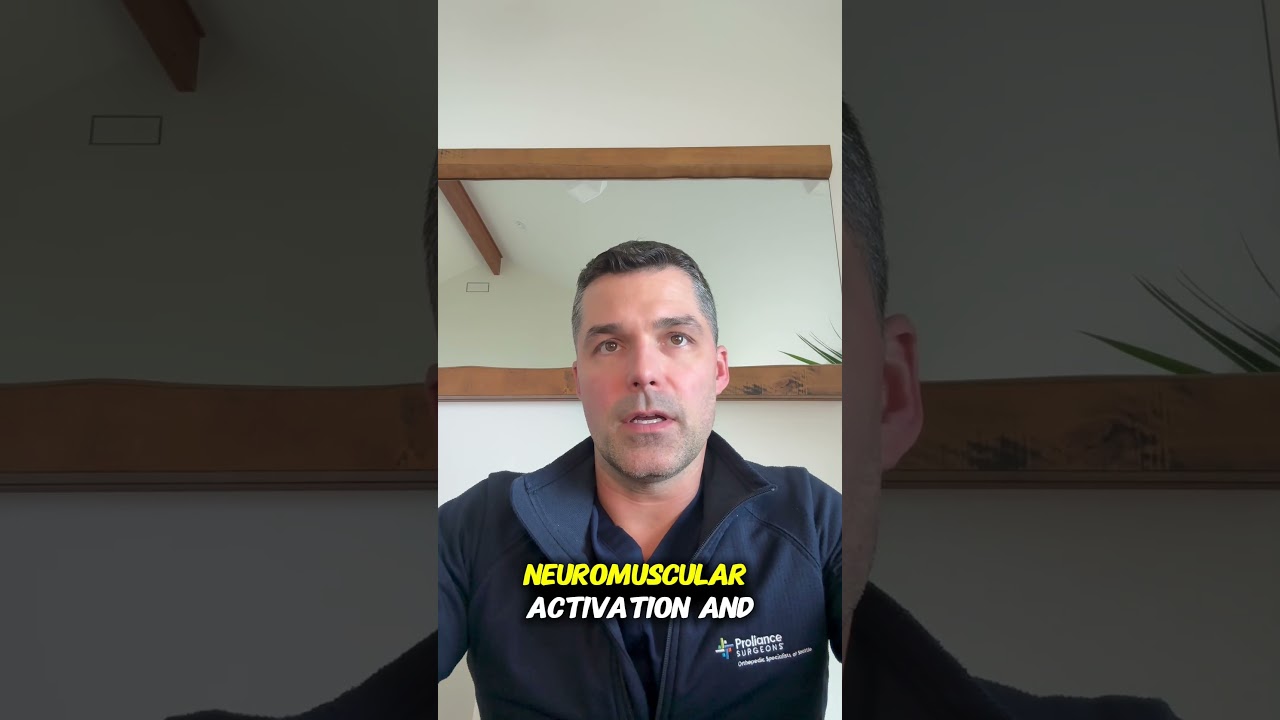
In this video, Dr. Grant H. Garcia explores the powerful synergy between pre-operative nutrition and physical movement, emphasizing why a dual-focus "prehab" routine is vital for achieving a top physiological state before surgery.
Here is a summary of the core medical insights he shares:
- The Problem with Entering Surgery Weak: When preparing for elective procedures—such as ACL reconstructions, rotator cuff repairs, or joint instability surgeries—entering the operating room in a physically weak or undernourished state severely hinders recovery. Dr. Garcia notes that nutrition and physical movement must be combined to build a strong baseline.
- The Components of Quality Prehab: Nutritional strategies deliver the best results when paired with a structured, multi-faceted prehab routine. This includes targeted resistance training, neuromuscular activation (mind-muscle connection exercises), and cardiovascular conditioning. Even a brief two-to-three-week window of dedicated prehab can dramatically change a patient's trajectory.
- Mitigating Post-Surgical Atrophy and Complications: The primary objective of pairing targeted nutrition with prehab is to intentionally preserve lean muscle mass. By building a higher physical load before surgery, the patient has a larger biological reserve, meaning they lose less strength during the subsequent recovery. This active preparation directly enhances tissue healing, maximizes long-term joint function, and reduces common post-operative complications like severe joint stiffness and persistent weakness.
- The Psychological Advantage: Beyond the clear physical and metabolic benefits, an integrated prehab routine drastically improves a patient's mental readiness. Dr. Garcia explains that entering surgery feeling nutritionally and physically prepared builds immense confidence. Familiarizing oneself with rehabilitation movements before the procedure removes fear and anxiety, making the post-operative transition smoother.