
 Book An Appointment



Nutrition Part 5: Amino Acids
Dr. Garcia does blog topics on “hot and new” topics in the community. See his monthly vlog videos below.
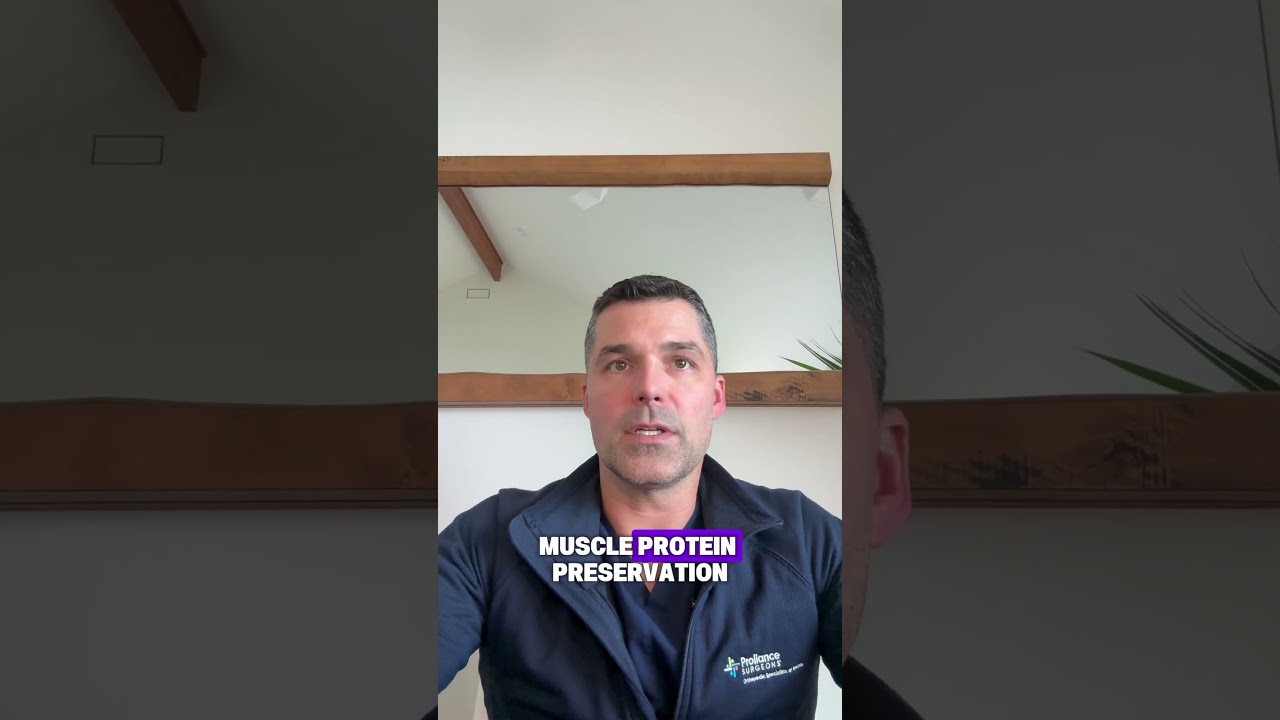
In this video, Dr. Grant H. Garcia highlights the critical role of essential amino acids (EAAs) in surgical recovery, explaining how they drive tissue repair far more effectively than non-essential amino acids.
Here is a summary of the core medical insights he shares:
- The Necessity of Essential Amino Acids: Unlike non-essential amino acids, EAAs cannot be manufactured endogenously (synthesized naturally by the body). They must be consumed directly through diet or targeted supplementation. They act as the primary biological drivers for muscle protein preservation, collagen synthesis, proper immune function, and maintaining a positive nitrogen balance during stress.
- Factors That Impair Amino Acid Levels: A patient’s amino acid availability can easily drop to suboptimal levels due to a few common clinical factors. These include standard pre-operative fasting windows, baseline malnutrition, reduced oral food intake after surgery, or the use of GLP-1 receptor agonist medications (which suppress appetite and delay gastric emptying).
- Combating Post-Operative Muscle Wasting: Clinical evidence strongly supports supplementing with EAAs both immediately before and after an operation. This targeted intake provides a proven defense mechanism to protect and preserve lean muscle mass during the unavoidable periods of joint immobilization that follow surgery.
- The Clinical Risks of EAA Deficiencies: Dr. Garcia stresses that a lack of adequate high-quality amino acids—especially leucine-rich formulas—can severely compromise a patient's results. Failing to meet these metabolic demands increases the risk of post-operative infection, delays structural wound and incision healing, and significantly impairs the body's ability to regrow and strengthen atrophied muscle mass during physical rehabilitation.