

 Book An Appointment



My treatment algorithm for Tommy John surgery
Dr. Garcia does blog topics on “hot and new” topics in the community. See his monthly vlog videos below.
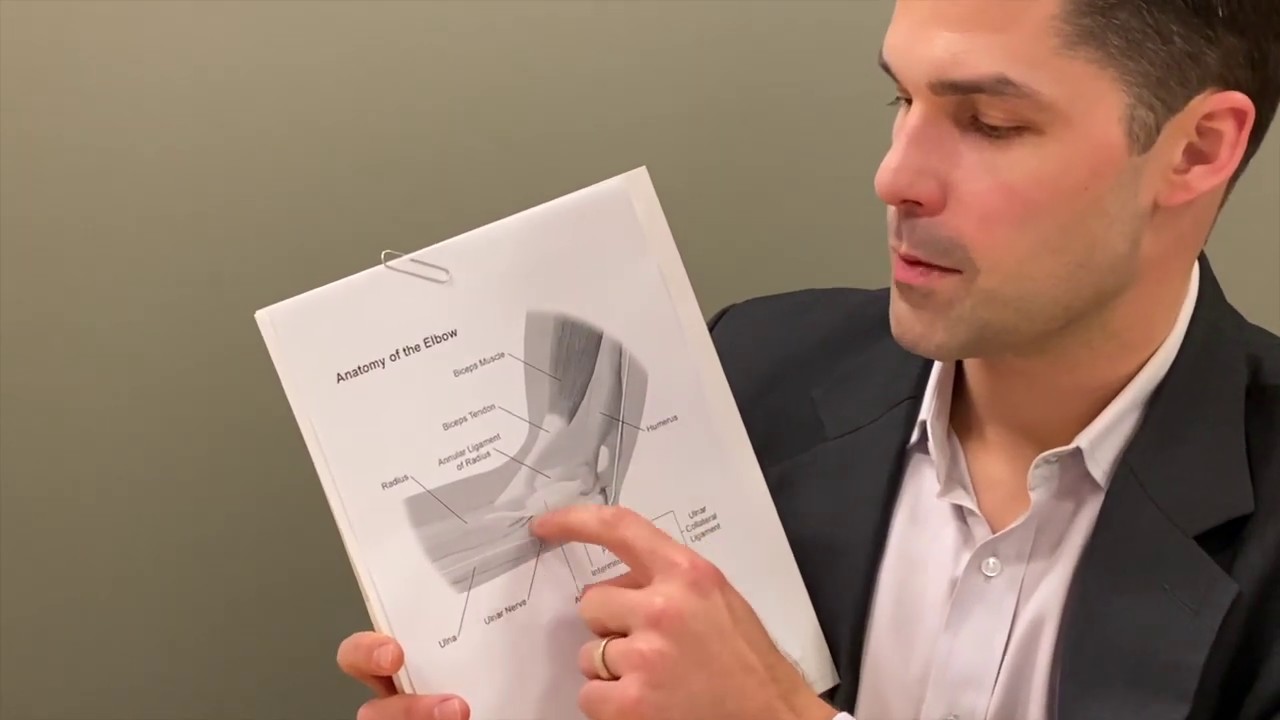
This video features orthopedic sports surgeon Dr. Grant H. Garcia from the Orthopedic Specialists of Seattle discussing Tommy John surgery, which addresses injuries to the Ulnar Collateral Ligament (UCL) on the inside of the elbow.
Here is a summary of the key points covered in the video:
- Elbow Anatomy: Dr. Garcia begins by highlighting three crucial structures on the inside of the elbow that are vital to a thrower's diagnosis: the Tommy John ligament (UCL), the ulnar nerve (commonly known as the funny bone nerve) which runs directly behind it, and the flexor tendon attachment
- Who Gets Injured:
- General population: Injury usually occurs from a sudden, traumatic event like an elbow dislocation. This group is typically treated non-surgically with rest and rehabilitation.
- Throwers: This group (including baseball pitchers, position players, quarterbacks, and javelin throwers) suffers from repetitive stress. Over time, the continuous throwing motion leads to micro-tears, partial tears, or a complete blowout of the ligament.
- Symptoms and Diagnosis: Overhead athletes with a UCL injury typically present with localized elbow pain, a sensation of a "dead arm," and a noticeable loss in throwing velocity. Evaluation begins with physical exams and X-rays. If a strain or partial tear is suspected, patients start with a strict six-week non-throwing rest period. If pain persists or a full tear is suspected, an MRI (often with contrast dye) is ordered.
- Treatment Protocols:
- Partial Tears: These are treated conservatively with rest and Platelet-Rich Plasma (PRP) injections, which have shown highly successful return-to-sport rates. Surgery is only considered if PRP and rest fail.
- Full Tears: These proceed directly to surgical intervention.
- Surgical Options:
- Traditional Tommy John Reconstruction: This is standard for full ligament tears in pitchers. The torn UCL is completely replaced using a tissue graft harvested from the patient's own wrist, forearm, or hamstring. While it yields a 90% return-to-sport success rate, it requires a long 12 to 18-month recovery timeline.
- UCL Repair with an Internal Brace: This newer, revolutionary technique is utilized for partial tears that fail conservative care, or for non-pitching athletes (like quarterbacks). The existing ligament is surgically repaired and reinforced with a synthetic, collagen-impregnated suture tape. This structural backup allows athletes to begin throwing again in just four to five months—three times faster than a traditional reconstruction.
- Managing Nerve Complications: To avoid the common post-operative complication of hand numbness or tingling, Dr. Garcia explains that if an athlete has pre-existing nerve symptoms, the surgeon will physically move (transpose) the ulnar nerve out of harm's way during the procedure.