

 Book An Appointment


Introduction to Advanced Labral Techniques
Dr. Garcia does blog topics on “hot and new” topics in the community. See his monthly vlog videos below.
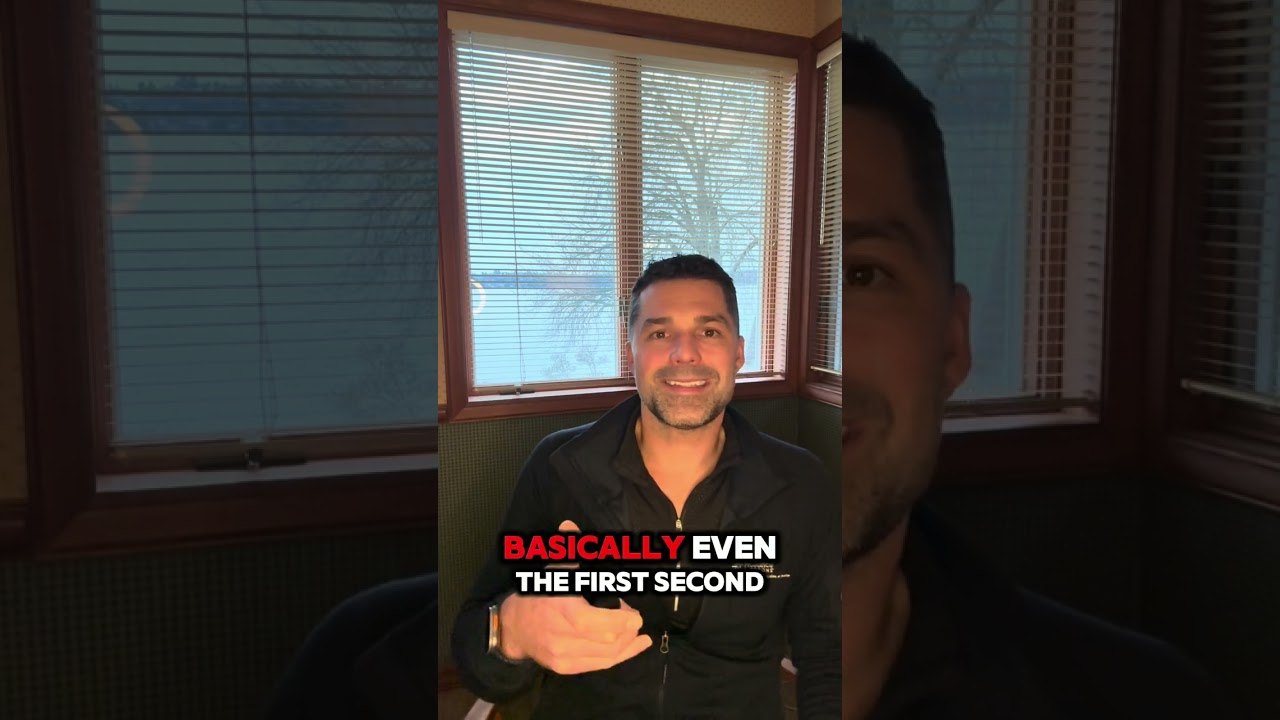
In this video, Dr. Grant H. Garcia introduces advanced techniques used to lower recurrence rates following shoulder labral repairs, specifically focusing on a procedure called a "remplissage."
Here is a summary of the core points he discusses:
- The Reality of Dislocation Recurrence: Dr. Garcia addresses a common reality in orthopedic surgery: even with perfectly executed procedures, standard labral repairs still carry a 10% to 15% recurrence rate of the shoulder popping back out of place. He emphasizes that any surgeon claiming a 0% failure rate is not being accurate, as recurrences happen even to experts who have performed hundreds of these surgeries.
- The Problem with Hill-Sachs Defects: Even after just a few dislocations, a patient can develop a Hill-Sachs lesion, which is a structural dent or divot on the back of the shoulder ball. If left unaddressed, this dent can catch on the edge of the socket, causing the shoulder to easily slip out of place again.
- The Remplissage Procedure (The Solution): To combat this issue in patients who have a Hill-Sachs dent but minimal socket bone loss, surgeons utilize a technique called a remplissage (a French term meaning "to fill"). This procedure has gained widespread popularity because it significantly slashes the risk of a repeat dislocation with very few surgical downsides.
- How it Works: Meticulously filling the defect involves placing orthopedic anchors directly into the bony divot at the back of the shoulder. The surgeon then anchors a portion of the patient's own infraspinatus tendon (part of the rotator cuff) right into that dent. This effectively fills the bone defect and prevents it from catching on the socket edge, dramatically stabilizing the joint.