

 Book An Appointment


Growth Plates and Elbow Surgery
Dr. Garcia does blog topics on “hot and new” topics in the community. See his monthly vlog videos below.
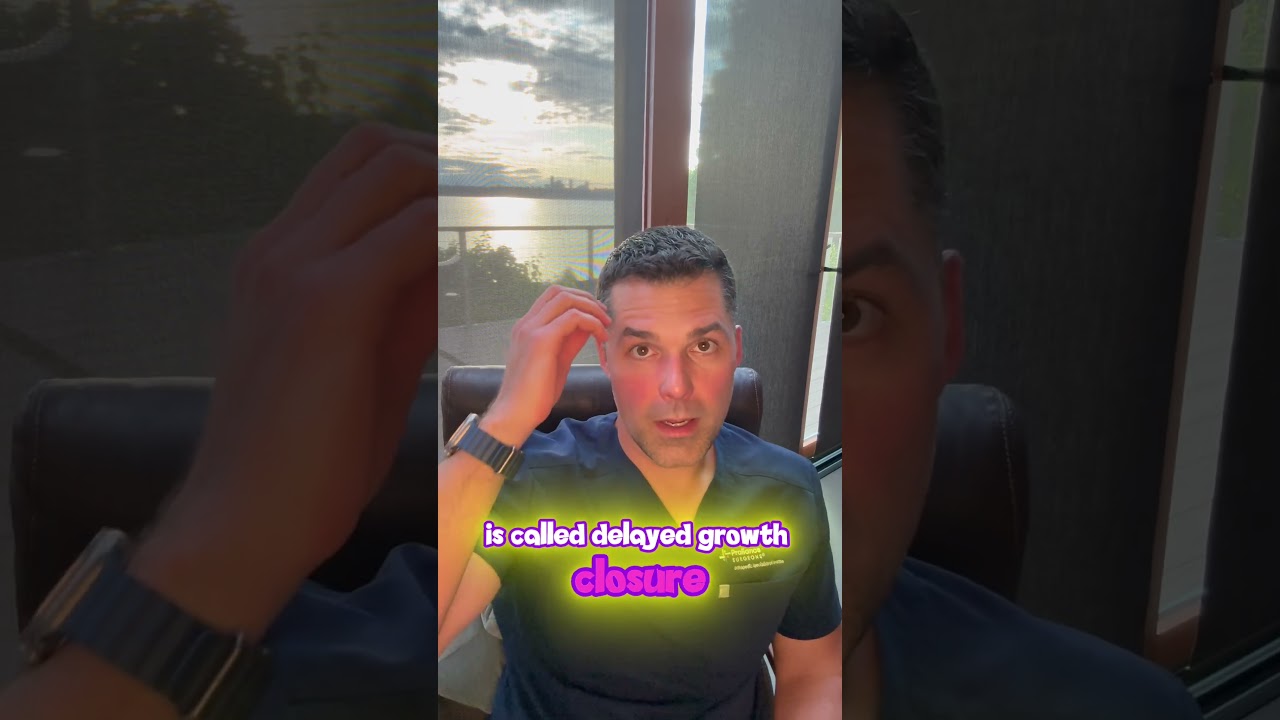
In this video, Dr. Grant H. Garcia highlights the critical role that growth plates play when diagnosing and treating elbow injuries in young, developing athletes.
Here is a summary of the core medical insights he shares:
- Age Matters (Under 16 or 17): Treating elbow injuries in pediatric and adolescent athletes introduces a completely different set of rules than treating adults. For patients under 16 or 17 years old, a specialist's primary clinical concern is protecting the active growth plates (epiphyseal plates) and avoiding long-term developmental disturbances.
- The Status of the Growth Plate: Knowing whether a young athlete's growth plates are fully open or already closed heavily dictates the treatment protocol. Dr. Garcia notes that open growth plates significantly alter how a surgeon evaluates conditions like osteochondritis dissecans (OCDs) and determines whether a tissue or bone structure will heal naturally.
- The Trap of Delayed Growth Closure: Dr. Garcia shares a recent clinical case involving a baseball player where the growth plate appeared open long past the age it normally should have closed. This condition, known as delayed growth plate closure, can cause persistent, severe joint pain. When standard conservative treatments fail to provide relief after six months, surgeons can go in to structurally fix and fuse the area, which typically results in rapid healing.
- Recognizing Growth Plate Avulsions: The video stresses that youth injuries require highly specialized diagnostic vigilance. Because growing bones are softer, high-stress athletic movements can cause an avulsion fracture—where a fragment of the growth plate is physically pulled away from the main bone. Whether a fragment acts as a mechanical loose body or is displaced in the wrong spot, a specialist must accurately identify these distinct issues to formulate a safe return-to-play protocol.