

 Book An Appointment


Dr. Garcia talks about SLAP tears in his monthly blog post.
Dr. Garcia does blog topics on “hot and new” topics in the community. See his monthly vlog videos below.
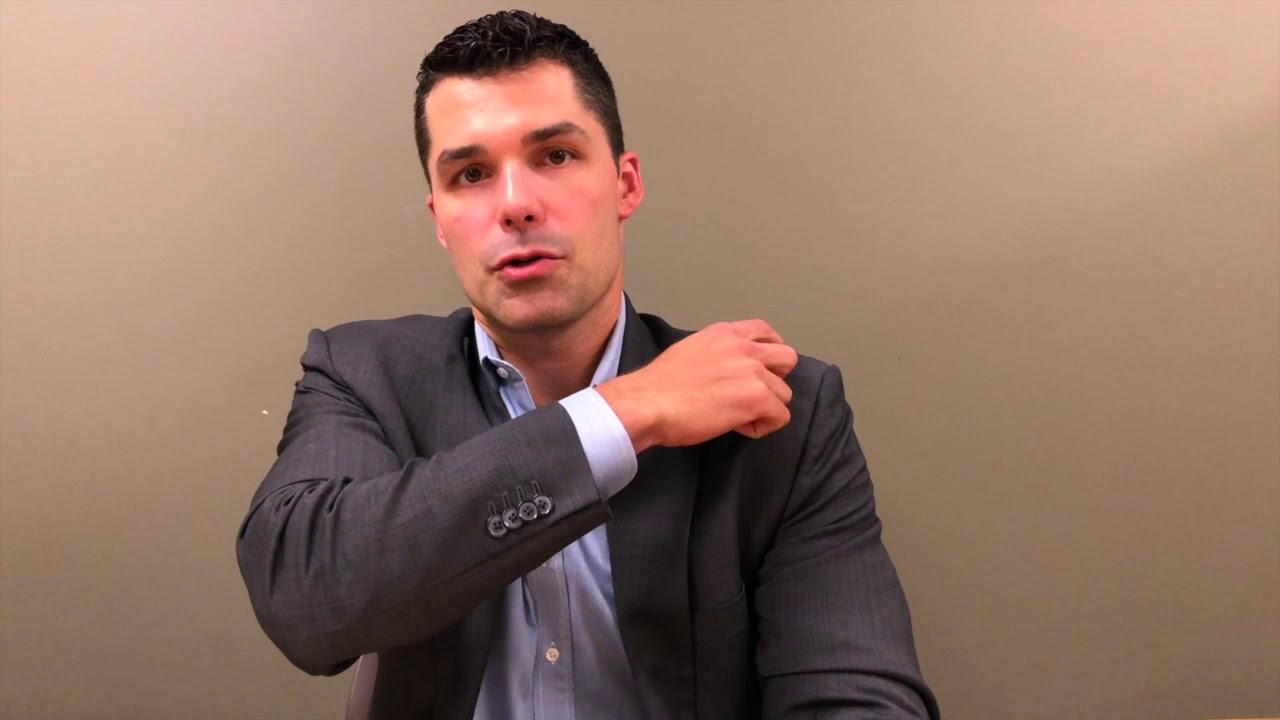
This video features orthopedic sports shoulder surgeon Dr. Grant H. Garcia from the Orthopedic Specialists of Seattle discussing SLAP tears (Superior Labrum from Anterior to Posterior), which are injuries to the top ring of cartilage surrounding the shoulder socket.
Here is a summary of the key points covered in the video:
- What is a SLAP Tear? Dr. Garcia explains that the labrum acts as a stabilizing ring around the shoulder socket. The biceps tendon attaches directly to the top (superior) part of this cartilage. Because of this connection, a SLAP tear can cause a deep, aching pain inside the joint or referred pain extending down the front of the shoulder where the biceps muscle sits.
- Non-Surgical Treatments: Not every SLAP tear requires surgery—many athletes, including about 30% of Major League Baseball pitchers, have asymptomatic SLAP tears that do not require intervention. Initial conservative treatments include anti-inflammatory medications, physical examination, targeted physical therapy, and cortisone injections. Cortisone injections can be both therapeutic and diagnostic, helping to pinpoint exactly where the pain is originating.
- The Complexity of Surgical Options: If conservative management fails, surgeons typically consider three approaches. Historically, simply repairing the labrum was the standard, but roughly 20% to 30% of those patients experienced persistent stiffness or developed biceps tendinitis post-surgery.
- Age Thresholds and Treatment: Due to historical outcomes, the medical community's approach has evolved. Dr. Garcia notes that the threshold for a pure labrum repair has dropped from age 40 down to age 30.
- Under 30: Surgeons typically prefer a standard repair of the labrum, leaving the biceps tendon intact.
- Above 40: Doctors usually favor a biceps tenodesis—a procedure where the biceps tendon is detached from the torn labrum and reanchored to the bone at the front of the shoulder to alleviate tension.
- The Gray Zone (Ages 30 to 40): This requires a highly customized approach where a surgeon might choose to combine a labral repair with a biceps tenodesis depending on the size of the tear and patient activity.
- Recovery: Following surgical intervention, a full return to athletic activities and sports typically takes between five to six months.