

 Book An Appointment



Dr. Garcia talks about patella dislocations and their treatment.
Dr. Garcia does blog topics on “hot and new” topics in the community. See his monthly vlog videos below.
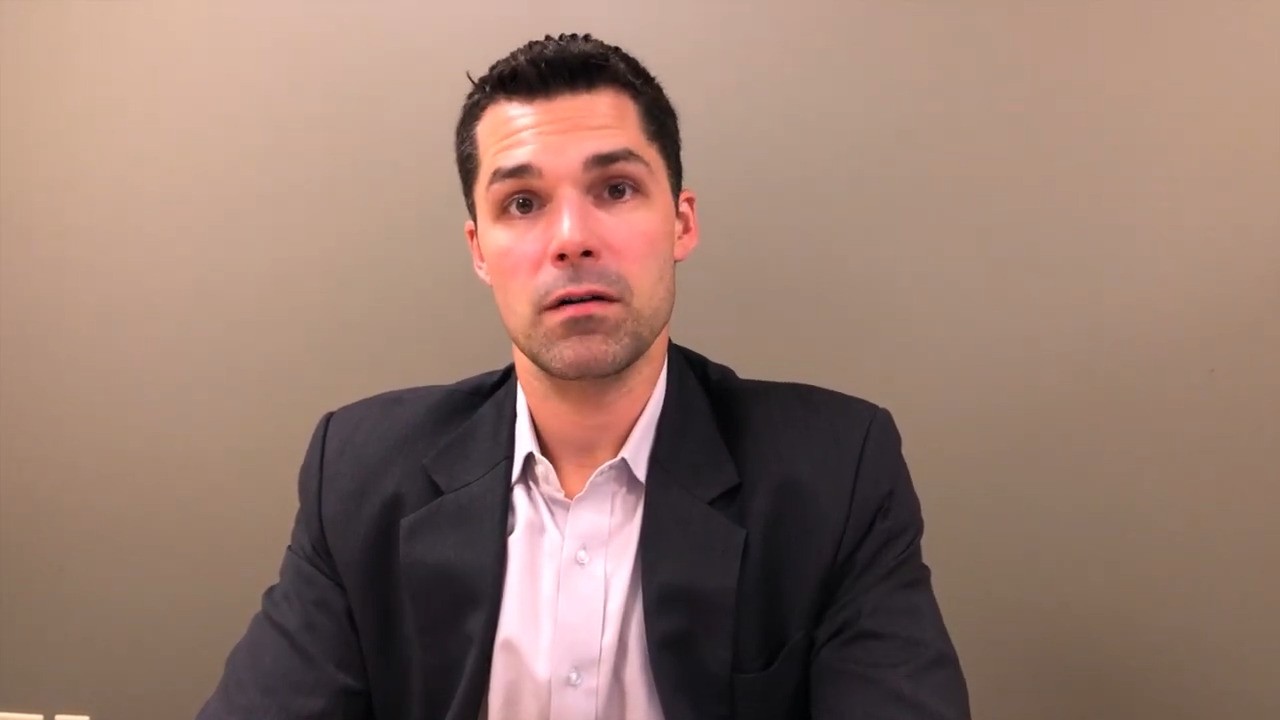
This video features orthopedic sports surgeon Dr. Grant H. Garcia from the Orthopedic Specialists of Seattle discussing kneecap (patellar) dislocations and the varying surgical and non-surgical treatment paths.
Here is a summary of the main topics covered in the video:
- Anatomy of a Dislocation: Dr. Garcia explains that when a kneecap dislocates, it almost always shifts outward toward the outside of the knee. This traumatic shift tears the medial patellofemoral ligament (MPFL), which is the primary stabilizing tissue on the inside of the kneecap.
- First-Time vs. Multiple Dislocations:
- First-time occurrences: Treatment typically focuses on non-surgical rehabilitation and physical therapy. However, doctors will order an MRI right away to check for any fragments of broken cartilage floating in the joint space. If the cartilage is intact, surgery is generally avoided.
- Recurrent dislocations: If a patient experiences a second dislocation, stabilizing surgery is strongly recommended. Dr. Garcia notes that waiting too long can result in severe cartilage wear and early-onset arthritis by the time patients reach their 30s or 40s.
- MPFL Reconstruction: This is the most common surgical option for recurrent dislocations. Using a minimally invasive, arthroscopic approach, the surgeon reconstructs the torn MPFL using a hamstring tendon graft. This procedure yields high success rates, a low recurrence risk, and roughly a 90% rate of a full return to sports.
- Tibial Tubercle Osteotomy (TTO): For more complex cases involving existing cartilage damage or severe misalignment, a more powerful procedure called a TTO is used. The surgeon cuts the tibial tubercle (the bony prominence below the kneecap) and shifts it inward and upward to alter the tracking groove, reducing pressure on damaged cartilage. This is secured with two screws.
- Recovery Outlook: Standard recovery across these stabilization procedures takes about five months. However, the TTO requires a strict six-week non-weight-bearing period post-operation due to the bone being cut. Dr. Garcia stresses the importance of seeing a specialist who can comprehensively manage the MPFL, alignment, and cartilage altogether.