

 Book An Appointment



Dr. Garcia speaks on meniscal root tears and cutting edge treatment. Check out his first monthly sports and shoulder blog.
Dr. Garcia does blog topics on “hot and new” topics in the community. See his monthly vlog videos below.
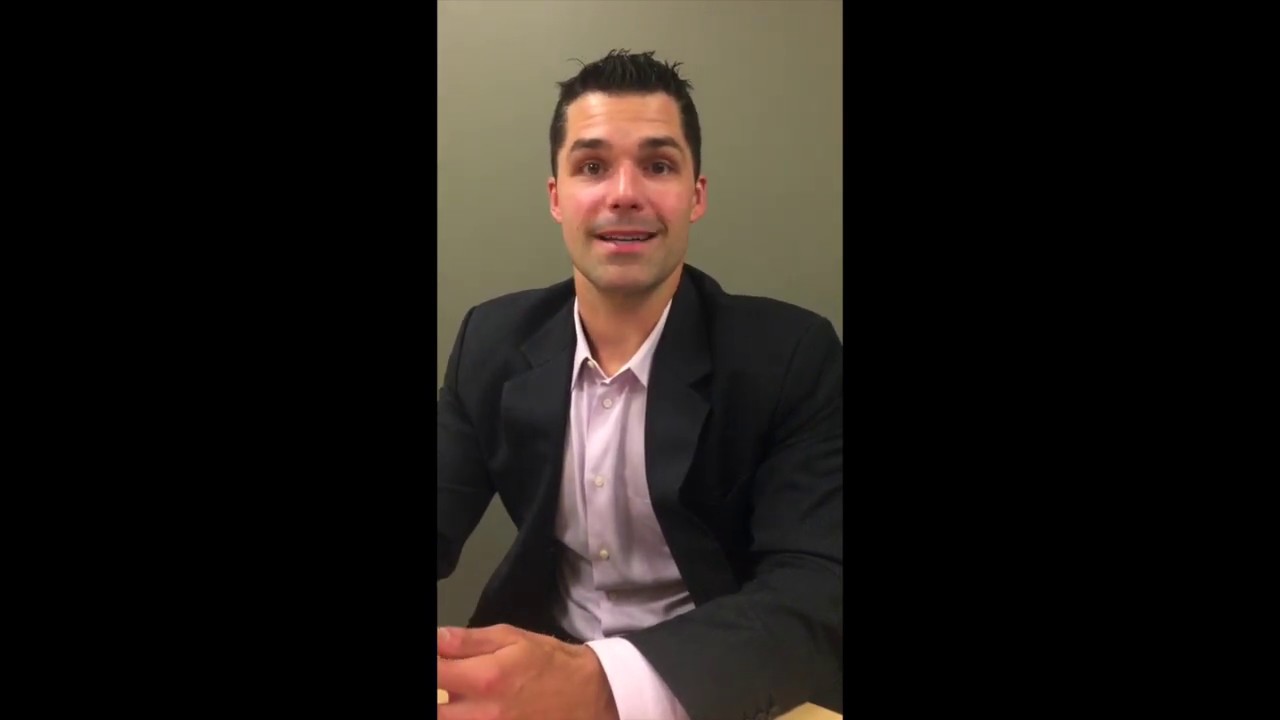
This video features orthopedic sports surgeon Dr. Grant H. Garcia from the Orthopedic Specialists of Seattle discussing meniscal root tears and their modern surgical treatments.
Here is a summary of the main topics discussed in the video:
- What is a Meniscal Root Tear? Dr. Garcia explains that the meniscus (the shock-absorbing cartilage in the knee) is anchored to the bone at the front and back by specialized tissue structures called roots. A root tear occurs right at this anchor point—most frequently at the back (posterior) root. Mechanically, tearing a root is equivalent to removing the entire meniscus altogether because the cartilage can no longer absorb load properly.
- Why They Are Easily Missed: Unlike standard meniscus tears, root tears are less frequent and easily overlooked. One study noted that approximately 33% of meniscal root tears are completely missed on standard MRI scans and initial orthopedic evaluations.
- The Risk of Rapid Arthritis: When the meniscus loses its anchor point, the thigh and shin bones can rub together directly. In active patients with minimal baseline arthritis, a root tear can trigger a rapid progression of joint degradation, sometimes forcing patients to undergo a full knee replacement within just two to four years of the injury.
- Patient Candidate Categories:
- Ideal candidates: Patients who have limited baseline arthritis and a healthy weight. Repairing the root in this group significantly lowers the long-term risk of arthritis and knee replacement.
- Non-surgical candidates: Patients who are significantly overweight and already have advanced knee arthritis. In these cases, it's hard to tell if the root tear caused the arthritis or vice versa. These patients are typically managed with localized injections or a minor clean-up procedure rather than a structural root repair.
- Surgical Repair Technique: For ideal candidates, the surgeon performs an arthroscopic repair by drilling a small tunnel into the bone and pulling sutures through it to pull the torn root back down into its original anatomical position. Because the root area has a robust blood supply compared to the rest of the meniscus, it has a high capacity to heal-yielding a 75% to 80% surgical success rate in patients well into their 40s, 50s, and 60s.
- Strict Post-Op Recovery: The most challenging aspect of this treatment is the strict recovery protocol. Patients must remain completely non-weight-bearing (on crutches) for four to six weeks to allow the cartilage anchor to heal securely into the bone tunnel. A full return to normal activity or sports generally takes four to five months.