

 Book An Appointment



Dr. Garcia discusses his revision acl algorithm and what he does to improve outcomes.
Dr. Garcia does blog topics on “hot and new” topics in the community. See his monthly vlog videos below.
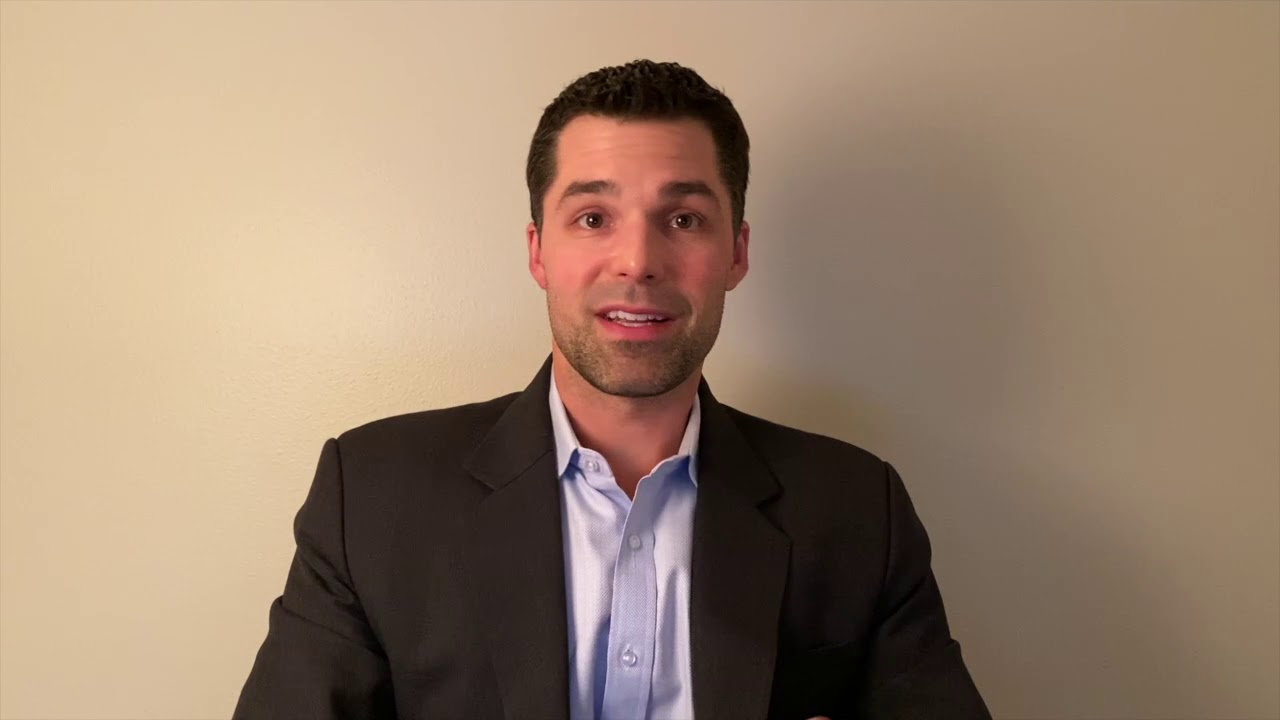
In this video, Dr. Grant Garcia from Orthopedic Specialists of Seattle outlines his approach to revision Anterior Cruciate Ligament (ACL) surgeries, detailing why initial grafts fail and how modern techniques aim to improve long-term outcomes.
Here are the key takeaways from his discussion:
Why Do ACL Grafts Fail?
- Incorrect Tunnel Placement: Dr. Garcia notes that 60% to 70% of ACL graft failures occur due to how the surgical tunnels were originally positioned. In the past, tunnels were often placed straight up and down. Today, research shows that a more angled placement better replicates natural knee anatomy.
- Types of Failures:
- Obvious Tears: The patient typically feels a "pop" accompanied by immediate swelling, and an MRI confirms a torn graft.
- Complex Stretching: The graft appears intact on an MRI, but it has stretched out over time, leaving the patient with a slipping, unstable knee.
The Revision Strategy
Dr. Garcia evaluates several critical anatomical factors before planning a revision surgery:
- Existing tunnel alignment and size.
- The integrity of the meniscus and other stabilizing knee ligaments.
- Overall limb alignment via specialized X-rays.
Depending on the findings, a revision plan may incorporate additional corrective procedures:
- Two-Stage Surgery: If the previous tunnels have widened significantly, they must first be filled with a bone graft. This requires a six-month healing period before a new ACL graft can be safely anchored.
- Correcting Secondary Issues: This can include realigning bones (osteotomy), repairing a torn meniscus, or performing a meniscus transplant if it's missing entirely.
- Anterolateral Ligament (ALL) Reconstruction: For complex or multi-failure cases, reinforcing the outside of the knee using an Iliotibial (IT) band tenodesis can reduce future re-tear rates by roughly 10%.
Even with precise surgical execution, revision ACL surgeries can still carry failure rates of up to 7%. Dr. Garcia strongly recommends consulting with an orthopedic specialist to evaluate every unique structural factor before undergoing a secondary procedure.