

 Book An Appointment



Distal Biceps Tendon Repairs
Dr. Garcia does blog topics on “hot and new” topics in the community. See his monthly vlog videos below.
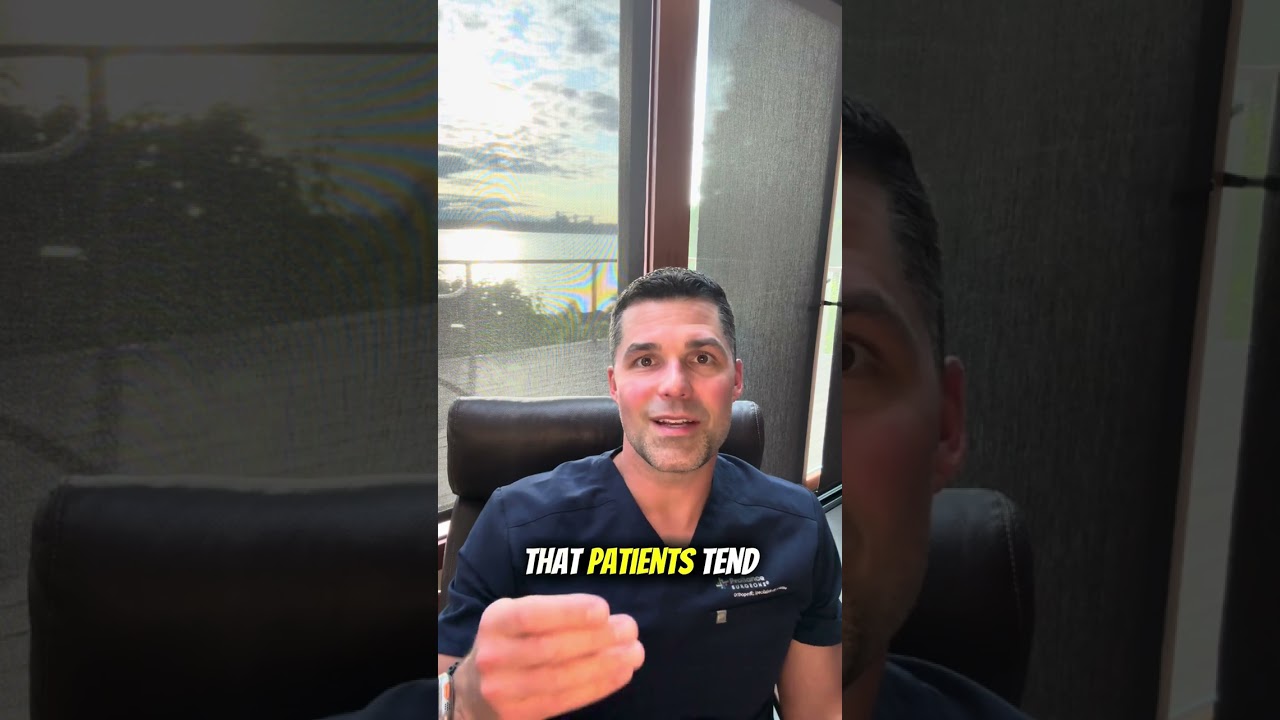
In this video, Dr. Grant H. Garcia dives deeper into the complexities of identifying and treating distal biceps tendon tears and ruptures at the elbow.
Here is a summary of the core medical insights he shares:
- Symptoms and Functional Impact: Dr. Garcia clarifies that when a distal biceps tendon tears, the patient can actually still flex their arm because other muscles assist with that movement. Instead, the most severe functional deficit is a major loss in supination strength—the twisting motion used when screwing in a screwdriver.
- Partial Tears vs. Complete Ruptures: Biceps injuries present differently depending on the severity:
- Partial Tears (Tendinitis): These are often more clinically challenging because they tend to cause patients a high amount of ongoing pain.
- Complete Ruptures: Surprisingly, full ruptures usually cause less pain, presenting instead with a distinct physical deformity (the "Popeye" muscle appearance) and noticeable weakness.
- The Surgical Timeline: For active individuals looking to regain their strength, surgery is highly recommended. Dr. Garcia emphasizes that this should ideally happen within the first six weeks of the injury. Waiting too long allows the torn muscle to retract too far up the upper arm (humerus), making it much harder to pull back down.
- Fixation and Techniques: His preferred surgical approach is primary repair using button fixation. He notes that the tendon can safely be fixed even if the arm has to be bent at a tight angle during the procedure, as the tissue will naturally stretch out during recovery.
- Handling Chronic or Complex Cases: In rare instances where the tendon has retracted too far to be reattached primarily, a reconstruction using a donor graft (such as an Achilles allograft) is performed. Because managing these chronic defects involves navigating complex nerve pathways around the elbow and upper arm, his practice occasionally utilizes a specialized two-surgeon approach to maximize safety and precision.