

 Book An Appointment



Check out our most recent video blog for ACL tears in conjunction with Rehab United.
Dr. Garcia does blog topics on “hot and new” topics in the community. See his monthly vlog videos below.
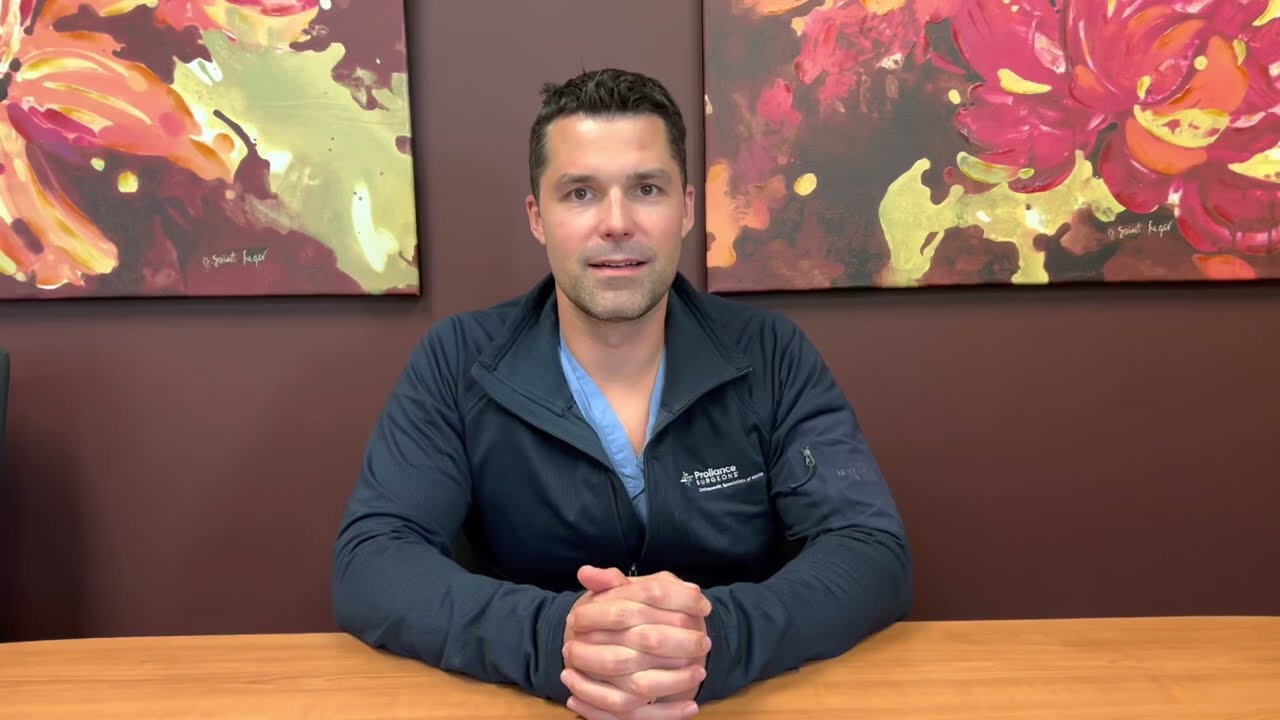
This video features orthopedic surgeon Dr. Grant H. Garcia from the Orthopedic Specialists of Seattle discussing ACL tears in a video blog collaboration with Rehab United.
Here is a summary of what the video covers:
- Understanding ACL Tears: Dr. Garcia explains that the ACL is the most commonly torn ligament in the knee, occurring across all levels of athletic competition as well as through common daily accidents.
- Common Symptoms: The primary complaint from patients is knee instability or a feeling that the knee is "slipping out of place." Other signs that may indicate additional knee damage include pain, locking, and catching.
- Diagnosis and Evaluation: Before getting an MRI to confirm a tear, doctors typically use X-rays to rule out fractures and conduct physical evaluations such as the Lachman test or pivot-shift test to check the knee's stability.
- The Importance of Surgery: For young and active patients, surgery is often recommended to prevent the knee from continuously pivoting. Repeated instability increases the long-term risk of arthritis, meniscus tears, and cartilage damage.
- Surgical Options & Grafts: Dr. Garcia discusses the customization of the surgery based on the patient's age and activity level. Graft options include using a quad tendon, hamstring tendon, patellar tendon, or a cadaver graft.
- Recovery and Rehabilitation: Post-surgery rehabilitation focuses heavily on physical therapy. The typical recovery timeline includes biking by six weeks, running by three months, and initiating pivoting exercises at four and a half months. A full return to sports generally occurs between six to ten months, following functional sports testing