

 Book An Appointment



Advancing UCL Reconstruction: The Future Is Smaller, Smarter Tunnels
Dr. Garcia does blog topics on “hot and new” topics in the community. See his monthly vlog videos below.
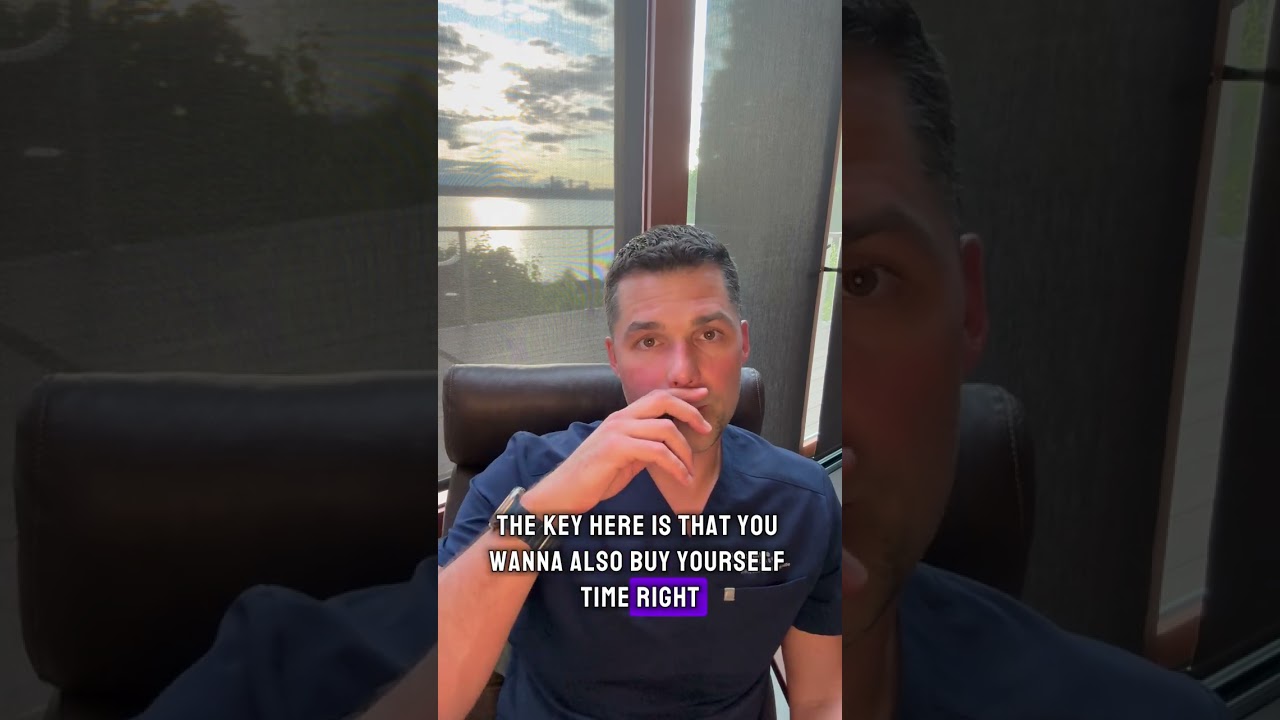
In this video, Dr. Grant H. Garcia highlights the challenges of traditional ulnar collateral ligament (UCL) reconstructions, the push for newer surgical innovations, and the lengthy recovery timeline athletes face.
Here is a summary of the core medical insights he shares:
- The Technical Challenges of Traditional Methods: Traditional techniques, like the docking method, can present distinct structural hurdles for a surgeon. Passing a thicker hamstring graft through small bone tunnels is often technically difficult. Furthermore, drilling these tunnels introduces a risk of bone fractures during or after the procedure.
- Developing Safer, More Effective Techniques: To combat these issues, Dr. Garcia and other specialists are developing newer, modified surgical techniques. These innovations aim to reduce the size and number of bone tunnels needed, making the procedure more efficient while maintaining identical, high-strength stability to safely return players to the field.
- Preserving Anatomy for the Future: Minimizing the size of bone tunnels is especially critical in young athletes. If a surgery relies on creating large bone tunnels and the athlete eventually suffers a re-injury down the line, a revision surgery becomes incredibly complex. Because revision reconstructions statistically do not perform as well as primary ones, preserving as much native bone as possible during the initial surgery is a top priority.
- A "Long-Haul" Recovery Reality: Dr. Garcia emphasizes that a full UCL reconstruction requires an intensive, long-term commitment to rehabilitation. At a minimum, athletes are looking at a full year of recovery. For many competitive baseball players, a safe return to game-ready throwing can actually take up to 500 days.