

 Book An Appointment



MACI overgrowth and treatment
Dr. Garcia specializes in complex knee, shoulder and elbow sports surgeries. He has prepared a number of surgical videos below to help patients better understand their procedures. He is frequently updating his surgical video database so check back soon for further updates.
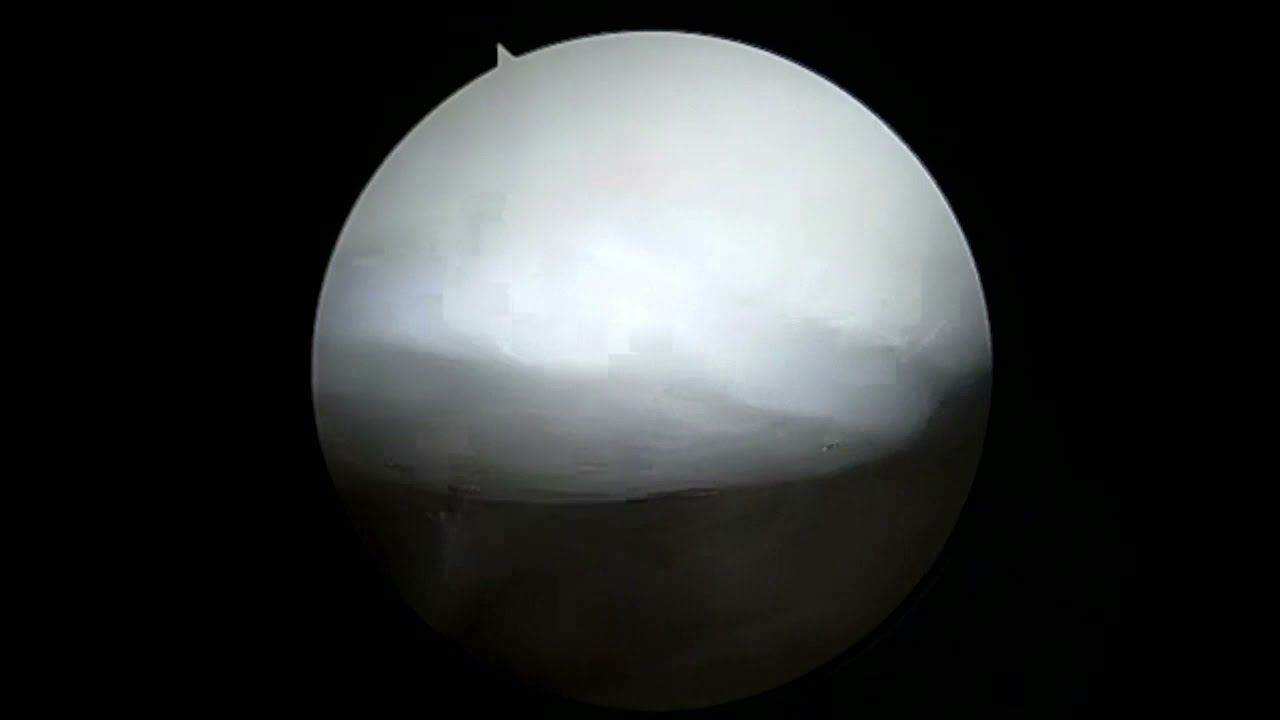
This video, titled "MACI overgrowth and treatment," presents a unique case involving a patient who underwent a MACI procedure—which stands for Matrix-Induced Autologous Chondrocyte Implantation (a type of cartilage repair surgery where the patient's own cartilage cells are grown on a membrane and re-implanted)—over a year prior.
While the patient was doing moderately well, they were experiencing occasional knee catching and locking. An MRI was inconclusive, so the surgeon performed a diagnostic arthroscopy to evaluate the knee joint directly.
The arthroscopic findings and treatment include:
- Identifying the Overgrowth: The surgeon discovers that the MACI implant experienced localized tissue overgrowth right in the center portion of the patella (kneecap). The overgrown cartilage tissue reached a thickness of almost 8 millimeters. The rest of the surrounding cartilage, however, regrew beautifully and remained completely healthy.
- Flattening the Tissue: To resolve the mechanical catching, the surgeon uses a specialized torpedo shaver. This arthroscopic tool is chosen because it is much less aggressive than standard surgical shavers, allowing the surgeon to precisely trim and smooth down the excess cartilage without damaging the healthy repair underneath.
- Testing Dynamic Movement: After the tissue is shaved flat, the surgeon moves the knee through a range of motion. The camera demonstrates that during flexion (bending), the tissue no longer extrudes or impinges against the bone.
By flattening the overgrowth and clearing the impingement, the mechanical catching and locking are eliminated. The surgeon notes that patients typically experience symptomatic relief within just a couple of weeks following this minor arthroscopic cleanup.