

 Book An Appointment



Complex Rotator Cuff Repair with Biceps Tendon Transfer
Dr. Garcia specializes in complex knee, shoulder and elbow sports surgeries. He has prepared a number of surgical videos below to help patients better understand their procedures. He is frequently updating his surgical video database so check back soon for further updates.
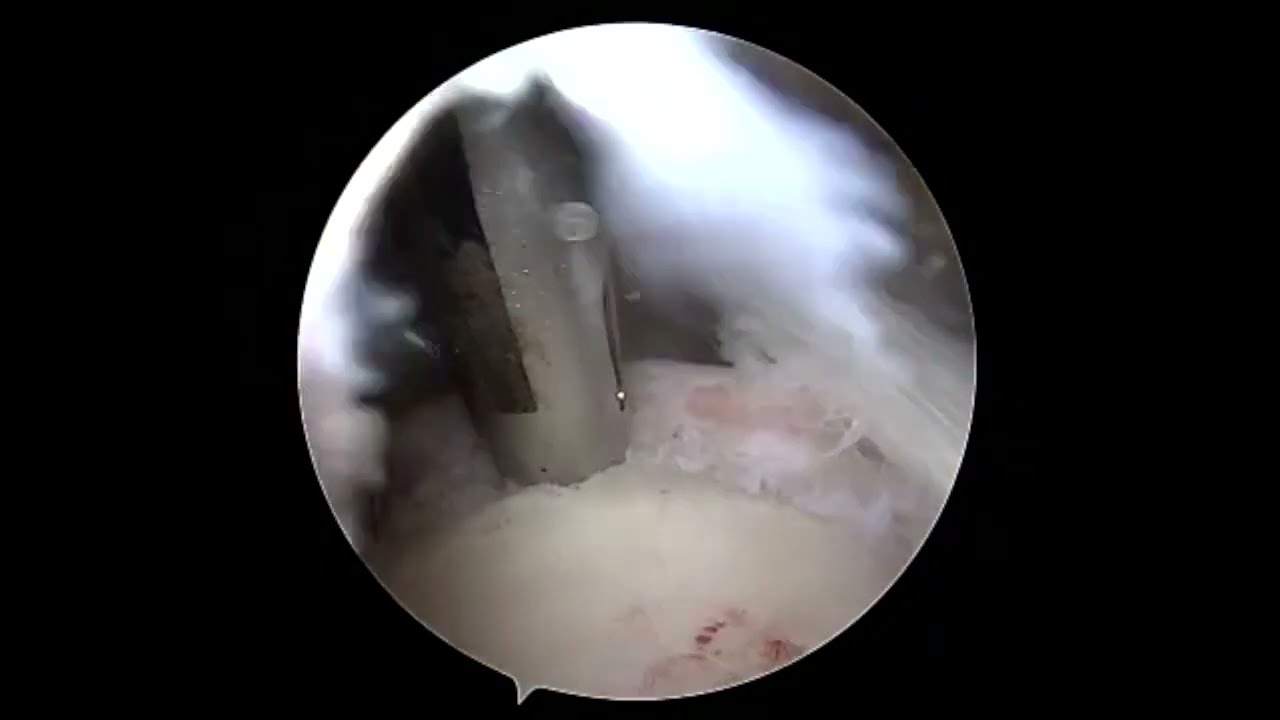
This video features Dr. Grant Garcia demonstrating his specialized technique for a complex rotator cuff repair with an autologous biceps tendon transfer (or augmentation). This advanced surgical technique is indicated for patients presenting with large, structurally compromised, or revision rotator cuff tears where the native tissue is thinned or retracted, increasing the risk of a standard repair failing.
Instead of using a synthetic or dermal patch, Dr. Garcia intelligently utilizes the patient's own long head of the biceps tendon as a local structural graft to reinforce the superior capsule and augment the cuff repair.
The procedure is executed through the following critical phases:
- Diagnostic Arthroscopy & Joint Debridement: Dr. Garcia enters the shoulder joint to fully map out the tear configuration. He debrides non-viable, frayed edges of the torn supraspinatus tendon and meticulously prepares the greater tuberosity footprint on the humerus down to a clean, bleeding bone bed to optimize future biological healing.
- Biceps Tendon Mobilization: The long head of the biceps tendon is identified within its groove. Instead of performing a standard tenotomy (cutting) or simple tenodesis (re-anchoring lower down), the tendon is carefully mobilized but left attached to its native superior glenoid labrum anchor (the anchor point on the shoulder socket). This preserves its natural blood supply and tension.
- Suture Anchor Bridge & Tendon Laydown: Suture anchors are placed into the humerus bone. Using advanced arthroscopic suture passers, Dr. Garcia weaves high-strength sutures through both the mobile biceps tendon and the remaining free margin of the torn rotator cuff. The biceps tendon is physically routed and flattened directly over the top of the defect area.
- Unified Double-Row Compression: The construct is tensioned down into a double-row configuration (resembling a SpeedBridge layout). This compresses the mobilized biceps tendon flat against the humeral bone footprint right alongside the repaired rotator cuff tissue. In doing so, the biceps tendon effectively acts as a living structural bridge, adding immediate mechanical thickness to the repair and acting as a humeral head suppressor to prevent pathological upward shifting of the arm bone.
The final visual check shows a beautifully closed, heavy-duty repair where the transferred biceps tendon structurally patches the vulnerable cuff zone, dramatically lowering structural tension on the native muscle fibers to ensure a more reliable environment for long-term tendon remodeling.