
 Book An Appointment


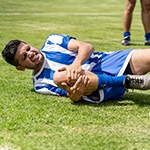
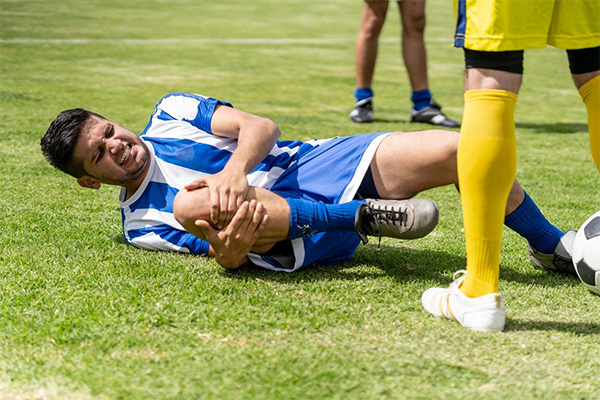
A sports injury can turn an ordinary game, workout, or practice into a frustrating roadblock. While many sprains, strains, and overuse injuries improve with rest and rehabilitation, some involve structural damage that cannot heal adequately without surgery. Recognizing the difference can prevent prolonged symptoms and help protect long-term joint function. For athletes across Seattle, Bellevue, Everett, and Kirkland, understanding when surgery may be necessary starts with knowing the warning signs.
When Does a Sports Injury Need Surgery?
Not every sports injury requires an operation. In many cases, initial treatment involves activity modification, physical therapy, medications, or other non-operative approaches. Surgery becomes a consideration when an injury causes significant structural damage, produces persistent instability or dysfunction, or fails to improve with appropriate conservative treatment.
The decision depends on several factors, including the type and severity of the injury, the patient's age and activity level, previous injuries, and goals for returning to sports or daily activities. A thorough orthopedic evaluation can help determine whether surgical treatment offers meaningful benefits.
Persistent Pain or Instability May Signal a More Serious Injury
Pain that continues despite appropriate rest and rehabilitation deserves attention, particularly when it interferes with normal activities or athletic performance. Repeated episodes of a joint giving way can also indicate an underlying ligament or structural problem.
For example, athletes with recurrent shoulder dislocations may have damage involving the stabilizing structures of the shoulder. Depending on the injury pattern and individual circumstances, procedures such as shoulder stabilization or a Latarjet procedure may be considered.
Similarly, persistent knee instability after an ACL injury may require reconstruction or, in selected cases, ACL repair or preservation.
ACL, Meniscus, and Other Knee Injuries
Knee injuries are among the most common problems affecting athletes. An ACL tear does not automatically mean surgery, but athletes who experience significant instability or want to return to pivoting and cutting sports may benefit from surgical evaluation.
Meniscal injuries also vary considerably. Some tears can be managed conservatively, while certain displaced tears, root tears, or injuries associated with mechanical symptoms may require repair. Meniscal preservation is particularly important because maintaining healthy meniscal tissue can help protect the knee over time.
For appropriate patients, treatment may also include cartilage restoration procedures such as MACI or other joint-preserving techniques when focal cartilage damage contributes to symptoms.
Shoulder and Elbow Sports Injuries That May Require Surgery
Throwing athletes, contact-sport participants, and overhead athletes can experience complex shoulder and elbow injuries. Rotator cuff tears, recurrent shoulder instability, and certain labral injuries may require surgical treatment when symptoms persist or structural damage is substantial.
In athletes with significant shoulder instability, surgical options can include arthroscopic stabilization or bone-block procedures such as the Latarjet. Complex rotator cuff injuries may require arthroscopic repair or, in selected cases, advanced reconstruction procedures.
Elbow injuries also deserve specialized evaluation. Athletes with UCL injuries, for example, may be candidates for UCL repair or reconstruction depending on the location and severity of the injury and their athletic demands.
Does Every Sports Injury Need Surgery to Return to Competition?
No. Many athletes successfully return to their sport through structured rehabilitation without surgery. Physical therapy can restore strength, flexibility, coordination, and joint stability while addressing movement patterns that contributed to the original injury.
Even when surgery is necessary, rehabilitation remains an essential part of recovery. Dr. Grant H. Garcia's sports medicine practice includes treatment of knee, shoulder, elbow, ligament, and cartilage injuries, with postoperative rehabilitation playing an important role in restoring function and progressing toward return to sport.
What Should Athletes in Seattle Consider Before Surgery?
Before deciding on surgery, athletes should understand the diagnosis and available alternatives. Imaging, physical examination findings, symptoms, athletic goals, and previous treatment all contribute to the decision.
Patients in Seattle, Bellevue, Everett, and Kirkland may also benefit from understanding the expected recovery timeline. Some procedures allow relatively rapid progression, while ligament reconstruction and cartilage restoration can require months of carefully monitored rehabilitation.
A second opinion can also be valuable when the diagnosis is complex or multiple treatment options are available.
Frequently Asked Questions
How do I know if my sports injury needs surgery?
A sports injury may require surgical evaluation when there is significant structural damage, persistent instability, mechanical symptoms, or ongoing pain despite appropriate non-operative treatment. The need for surgery depends on the specific injury and the patient's goals.
Can an ACL tear heal without surgery?
Some ACL injuries can be managed without surgery, particularly in patients with lower activity demands and adequate knee stability. Athletes who experience instability or want to return to high-demand pivoting sports may require reconstruction or another surgical approach.
When should I see an orthopedic surgeon for a sports injury?
Consider an orthopedic evaluation when pain or swelling persists, a joint repeatedly gives way, movement becomes restricted, or you cannot return to normal activities despite appropriate initial treatment.
Can a meniscus tear require surgery?
Yes. Some meniscus tears respond to non-operative treatment, while displaced tears, certain root tears, and tears causing persistent mechanical symptoms may require surgical repair or other treatment.
How long does it take to return to sports after orthopedic surgery?
Recovery varies substantially by procedure and injury. Returning to sports after ACL reconstruction, cartilage restoration, shoulder stabilization, or other complex procedures may take several months and requires progressive rehabilitation rather than simply waiting for pain to disappear.
Getting the Right Treatment for a Sports Injury
Surgery should not automatically be the first response to an athletic injury, but delaying appropriate treatment for a significant structural injury can also create problems. For athletes in Seattle, Bellevue, Everett, and Kirkland, an orthopedic sports medicine evaluation can clarify the diagnosis, explain non-operative and surgical options, and help establish a treatment plan aligned with long-term health and athletic goals.
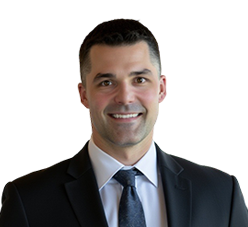
Grant H. Garcia, MD is a board-certified, fellowship-trained orthopedic surgeon specializing in sports medicine, shoulder surgery, knee preservation, and cartilage restoration. He serves patients throughout the Seattle, Bellevue, Everett, and Kirkland areas, helping athletes and active individuals recover from injuries and return to the activities they enjoy. Dr. Garcia completed advanced training at Hospital for Special Surgery and Rush University Medical Center and is recognized for his expertise in minimally invasive arthroscopic procedures, ACL reconstruction, meniscus repair, shoulder instability, and joint preservation techniques.