

 Book An Appointment



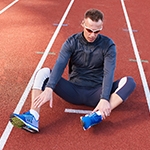

Many athletes and active individuals are tempted to wait out an injury, hoping pain and stiffness will eventually disappear on their own. While some minor injuries improve with rest, delaying treatment can sometimes turn a manageable problem into a more complex condition. Whether you are a runner training in Bellevue, a weekend warrior exploring trails near Everett, or an athlete competing in Seattle and Kirkland, seeking care early can make a significant difference in your recovery. Here are the key benefits of early treatment for sports-related injuries.
Why Early Evaluation Matters for Sports Injuries
Sports injuries often involve more than temporary discomfort. Damage to ligaments, tendons, cartilage, or joint structures may continue to worsen if left untreated. What initially feels like a minor sprain or strain can sometimes develop into chronic pain, instability, or long-term joint damage.
A thorough evaluation helps identify the exact cause of symptoms and allows treatment to begin before complications develop. Early diagnosis is particularly important for active individuals who want to return to sports safely and efficiently.
Preventing Further Joint Damage
One of the greatest advantages of early treatment is the ability to prevent additional injury. Conditions such as ACL tears, meniscus injuries, shoulder instability, and cartilage defects can place abnormal stress on surrounding structures.
For example, an unstable knee may increase wear on cartilage and menisci over time. Similarly, repeated shoulder dislocations can lead to additional damage within the joint. Addressing these issues early may help preserve healthy tissue and protect long-term joint function.
Faster Recovery and Return to Activity
Athletes are often eager to return to competition, training, or recreational activities as quickly as possible. Early intervention can help streamline the recovery process by ensuring that treatment begins before the injury progresses.
Sports medicine specialists frequently develop personalized rehabilitation plans that combine activity modification, physical therapy, strengthening exercises, and other treatment options. Starting this process early often improves recovery timelines and reduces unnecessary setbacks.
Improving Outcomes for ACL and Meniscus Injuries
Knee injuries are among the most common reasons patients seek sports medicine care. ACL tears, meniscus tears, and patellar instability can significantly impact mobility and athletic performance.
Early evaluation allows specialists to determine whether conservative management or surgical intervention may be appropriate. In some cases, prompt treatment can improve the chances of preserving important knee structures and restoring stability before secondary damage occurs.
Addressing Shoulder Injuries Before They Become Chronic
Shoulder pain is frequently seen in athletes who participate in throwing sports, swimming, weightlifting, and other overhead activities. Rotator cuff injuries, labral tears, and shoulder instability can become increasingly difficult to manage if symptoms persist for extended periods.
Seeking care early provides an opportunity to address the source of the problem before chronic inflammation, weakness, or loss of motion develops. Treatment may include targeted rehabilitation, activity modifications, biologic therapies, or minimally invasive arthroscopic procedures when necessary.
Protecting Cartilage and Joint Health
Cartilage injuries are unique because cartilage has limited natural healing potential. Untreated cartilage defects may contribute to ongoing pain, swelling, and progressive joint degeneration.
Sports medicine specialists with expertise in cartilage restoration and joint preservation can evaluate whether advanced treatment options may help protect the joint and maintain an active lifestyle. Early intervention is often a critical factor in achieving the best possible outcome.
Reducing the Risk of Reinjury
Returning to sports before an injury has fully healed is one of the most common reasons athletes experience reinjury. A structured treatment and rehabilitation plan helps ensure that strength, mobility, balance, and joint stability are restored before activity resumes.
This approach not only improves performance but also reduces the likelihood of future setbacks that could require more extensive treatment.
Frequently Asked Questions
How soon should I see a sports medicine specialist after an injury?
If pain, swelling, instability, or limited movement persists for more than a few days, or if the injury prevents normal activity, it is wise to seek an evaluation as soon as possible.
Can early treatment help me avoid surgery?
In some cases, yes. Early diagnosis and treatment may allow certain injuries to heal with physical therapy, activity modification, bracing, or other non-surgical approaches before the condition worsens.
What injuries are commonly treated by sports medicine specialists?
Sports medicine specialists frequently treat ACL tears, meniscus injuries, rotator cuff tears, shoulder instability, cartilage injuries, tendon problems, and overuse conditions affecting athletes and active individuals.
Why is cartilage damage treated early?
Cartilage has a limited ability to heal on its own. Early treatment may help preserve joint function, reduce symptoms, and slow the progression of joint degeneration.
Can I continue exercising while recovering from a sports injury?
The answer depends on the injury. A sports medicine specialist can recommend safe modifications and rehabilitation exercises that support recovery while minimizing the risk of further damage.
Take Action Before Small Problems Become Bigger Ones
Early treatment is one of the most effective ways to protect joint health, improve recovery, and return to the activities you enjoy. If pain, instability, swelling, or reduced function is affecting your performance or daily life, an evaluation by a sports medicine specialist can provide clarity and help guide the next steps toward recovery.
With convenient access to advanced sports medicine clinics serving Seattle, Bellevue, Everett, and Kirkland, professional care is always close to home. [Click here to schedule a consultation]
Grant H. Garcia, MD is a board-certified, fellowship-trained orthopedic surgeon specializing in sports medicine, shoulder surgery, knee preservation, and cartilage restoration. He serves patients throughout the Seattle, Bellevue, Everett, and Kirkland areas, helping athletes and active individuals recover from injuries and return to the activities they enjoy. Dr. Garcia completed advanced training at Hospital for Special Surgery and Rush University Medical Center and is recognized for his expertise in minimally invasive arthroscopic procedures, ACL reconstruction, meniscus repair, shoulder instability, and joint preservation techniques.