
 Book An Appointment




Shoulder replacement surgery can be life-changing for individuals struggling with chronic pain, stiffness, and limited mobility. While the procedure itself plays a critical role in restoring joint function, recovery is equally important in achieving the best possible outcome. Whether you live an active lifestyle in Bellevue, commute daily through Seattle, or are recovering at home in Everett and Kirkland, participating in the healing process is essential. Patients who actively engage in their post-op care experience better mobility, improved strength, and greater satisfaction with their results. Here are some essential recovery tips to help maximize success after shoulder replacement surgery.
Understanding the Shoulder Replacement Recovery Process
Recovery after shoulder replacement does not happen overnight. Healing occurs in stages, beginning with pain management and protection of the surgical repair, followed by gradual restoration of motion and strength.
Whether undergoing total shoulder replacement, reverse shoulder replacement, or another advanced shoulder procedure, patients should understand that recovery timelines vary. Factors such as age, overall health, activity level, and adherence to rehabilitation all influence the final outcome.
Follow Postoperative Instructions Carefully
One of the most important steps for a successful recovery is following your surgeon's instructions. These guidelines are designed to protect the healing joint and reduce the risk of complications.
Patients are typically advised on sling use, sleeping positions, wound care, medication management, and activity restrictions. Ignoring these recommendations can place unnecessary stress on the healing shoulder and potentially delay recovery.
Prioritize Physical Therapy and Rehabilitation
Physical therapy is one of the most critical components of shoulder replacement recovery. A structured rehabilitation program helps restore range of motion, improve flexibility, and gradually rebuild strength.
Early exercises often focus on gentle movement and preventing stiffness. As healing progresses, strengthening exercises are introduced to improve shoulder stability and function. Consistency with therapy sessions and home exercises is often a major factor in long-term success.
Protect the Shoulder During Early Healing
Many patients begin feeling better within the first few weeks after surgery, but the shoulder is still healing internally. Returning to activities too quickly can increase the risk of setbacks.
Avoid lifting heavy objects, performing sudden overhead movements, or engaging in activities that have not yet been cleared by your medical team. Giving the joint adequate time to heal helps support optimal recovery.
Manage Pain and Swelling Effectively
Pain and swelling are normal parts of the recovery process. Proper pain management not only improves comfort but also allows patients to participate more effectively in rehabilitation.
Strategies may include prescribed medications, ice therapy, elevation when appropriate, and following all postoperative recommendations. Keeping discomfort under control can help maintain steady progress throughout recovery.
Focus on Rest, Nutrition, and Overall Health
The body requires energy and nutrients to heal after surgery. Prioritizing adequate sleep, hydration, and a balanced diet can support tissue repair and recovery.
Foods rich in protein, vitamins, and minerals help provide the building blocks needed for healing. Maintaining healthy lifestyle habits may also contribute to improved strength and overall well-being during rehabilitation.
Be Patient With Your Progress
Recovery after shoulder replacement is a gradual process. While many patients notice meaningful improvements within a few months, full recovery can take considerably longer.
It is important to focus on steady progress rather than comparing your recovery to someone else's experience. Regular follow-up appointments allow your surgeon and rehabilitation team to monitor healing and address any concerns along the way.
Know When to Report Concerning Symptoms
Although complications are uncommon, patients should be aware of warning signs that require medical attention. Increased redness, excessive swelling, fever, worsening pain, drainage from the incision, or sudden loss of shoulder function should be reported promptly.
Early recognition and treatment of potential complications can help prevent more serious problems and support a smoother recovery.
Frequently Asked Questions
How long does it take to recover from shoulder replacement surgery?
Most patients experience significant improvement within several months, but complete recovery and maximum function may take up to a year depending on the procedure and individual healing process.
When can I drive after shoulder replacement?
Driving is typically restricted for several weeks after surgery. Your surgeon will determine when it is safe based on your healing progress, pain level, and ability to control the vehicle safely.
How important is physical therapy after shoulder replacement?
Physical therapy is essential. It helps restore motion, improve strength, reduce stiffness, and maximize long-term shoulder function.
Can I return to sports after shoulder replacement?
Many patients return to low-impact recreational activities after recovery. The timeline and activity restrictions depend on the type of surgery and individual circumstances.
What should I avoid after shoulder replacement surgery?
Patients should avoid heavy lifting, sudden shoulder movements, and activities that place excessive stress on the healing joint until cleared by their surgeon.
Supporting a Strong Recovery
Shoulder replacement surgery can significantly improve comfort, mobility, and quality of life, but achieving the best results requires commitment to the recovery process. By following postoperative instructions, participating in rehabilitation, and allowing the shoulder adequate time to heal, patients can maximize their chances of a successful outcome and a return to the activities they enjoy.
With advanced orthopedic care conveniently accessible to patients throughout Seattle, Bellevue, Everett, and Kirkland, professional support is always close at hand. [Click here to schedule a consultation]
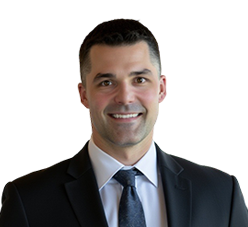
Dr. Grant H. Garcia, MD is a board-certified, fellowship-trained orthopedic surgeon specializing in sports medicine, shoulder surgery, knee preservation, and cartilage restoration. He serves patients throughout the Seattle, Bellevue, Everett, and Kirkland areas, helping athletes and active individuals recover from injuries and return to the activities they enjoy. Dr. Garcia completed advanced training at Hospital for Special Surgery and Rush University Medical Center and is recognized for his expertise in minimally invasive arthroscopic procedures, ACL reconstruction, meniscus repair, shoulder instability, and joint preservation techniques.