
 Book An Appointment


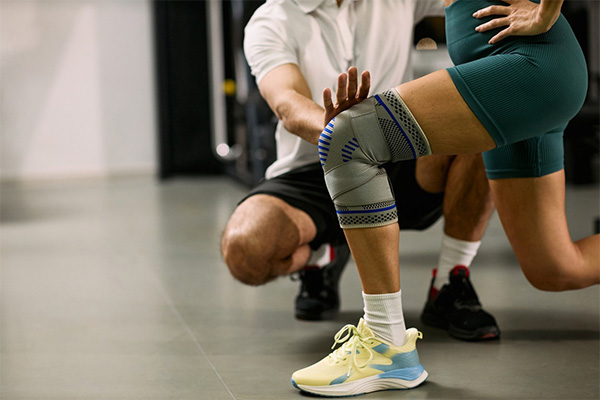
When pain or an injury starts interfering with exercise, work, or everyday activities, deciding between physical therapy and orthopedic surgery can be challenging. Many musculoskeletal conditions respond well to structured rehabilitation, while others involve structural damage that may require surgical treatment. The right approach depends on the diagnosis, severity, symptoms, activity goals, and response to conservative care. For patients across Seattle and surrounding communities, understanding these options is an important first step toward informed orthopedic care.
When Can Physical Therapy Be the Right Choice?
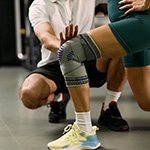
Physical therapy is frequently used to manage orthopedic conditions without surgery. A personalized rehabilitation program can help decrease pain, restore mobility, improve strength, and support a gradual return to normal activities.
Depending on the condition, physical therapy may be appropriate for certain types of shoulder pain, patellofemoral pain, patellar instability, sports injuries, and other musculoskeletal problems. Non-operative treatment approaches may be incorporated into the management of appropriate orthopedic and sports medicine conditions, with rehabilitation tailored to the patient's diagnosis, symptoms, and functional goals.
Physical therapy can also be useful before surgery. For example, patients with an ACL injury may undergo preoperative rehabilitation to reduce swelling, restore knee motion, and improve muscle strength before ACL reconstruction or repair.
When Might Orthopedic Surgery Be Necessary?
Surgery may be considered when an injury causes significant structural damage, symptoms persist despite appropriate conservative treatment, or instability and dysfunction interfere substantially with daily activities or athletic performance.
Examples can include certain ACL tears, meniscal root injuries, significant rotator cuff tears, recurrent shoulder instability, cartilage defects, and complex ligament injuries. Depending on the diagnosis, treatment may involve arthroscopy, ligament reconstruction, cartilage restoration, or joint replacement.
For patients seeking care in Seattle, Bellevue, Everett, or Kirkland, an orthopedic assessment can help determine whether surgery is appropriate or whether continued non-operative treatment remains a reasonable option.
Orthopedic Surgery and Physical Therapy Often Work Together
Physical therapy and orthopedic surgery should not necessarily be viewed as competing choices. In many cases, they are complementary parts of treatment.
After ACL reconstruction, for example, rehabilitation helps patients progressively restore motion, strength, balance, coordination, and functional performance. The rehabilitation process is carefully adjusted according to the surgical procedure and the patient's recovery.
The same principle applies to shoulder surgery. Our orthopedic practice provides rehabilitation protocols associated with procedures such as rotator cuff repair, shoulder stabilization, Latarjet procedures, superior capsular reconstruction, and shoulder replacement.
Cartilage restoration procedures also require structured rehabilitation. Patients undergoing procedures such as MACI may need protected activity initially, followed by progressive range-of-motion exercises, strengthening, and gradual functional recovery.
How Do Patients in Seattle, Bellevue, Everett & Kirkland Know Which Treatment Is Right?
There is no single treatment that works for every orthopedic injury. Several factors can influence the decision between physical therapy and surgery.
- Diagnosis: A physical examination and appropriate imaging can help identify the damaged structures and determine the severity of the condition.
- Symptoms: Persistent pain, weakness, instability, swelling, or loss of function may influence treatment recommendations.
- Activity level: Athletes may have specific performance and return-to-sport goals that need to be considered during treatment planning.
- Response to conservative care: Improvement with physical therapy, activity modification, medication, or other non-operative treatments may reduce the need for surgery in some cases.
- Long-term joint health: Certain injuries can increase the risk of additional damage if they remain untreated.
- Individual goals: Recovery expectations, lifestyle, work requirements, and personal preferences all play a role in choosing treatment.
How Does Sports Medicine Influence the Treatment Decision?
Sports injuries can involve complex combinations of ligament, tendon, cartilage, and bone problems. Treatment therefore needs to account for both healing and future function.
Our orthopedic practice specializes in sports medicine and treats conditions affecting the knee, shoulder, elbow, and other areas. Areas of focus include ACL injuries, meniscal injuries, shoulder instability, rotator cuff conditions, cartilage restoration, and complex ligament injuries.
For selected patients, joint-preserving procedures may provide an alternative to more extensive surgery. ACL repair or preservation, for example, may be appropriate for certain injury patterns, while ACL reconstruction may be recommended in other situations.
What Role Does Rehabilitation Play After Surgery?
Physical therapy remains an important component of recovery after many orthopedic procedures. The specific rehabilitation program depends on what was repaired or reconstructed and how much protection the healing tissue requires.
For someone undergoing ACL surgery, rehabilitation may progress from early motion and swelling control to strengthening, balance exercises, running, and eventually sport-specific training. Following shoulder surgery, therapy may initially emphasize protecting the repair before gradually restoring motion and strength.
This combination of surgical treatment and rehabilitation helps patients work toward functional recovery rather than viewing surgery as the entire treatment process.
Frequently Asked Questions
Is physical therapy better than orthopedic surgery?
Neither treatment is universally better. Physical therapy can effectively manage many orthopedic conditions, while surgery may be appropriate when significant structural damage or persistent symptoms require surgical correction.
How long should I try physical therapy before considering surgery?
There is no standard timeframe for every injury. Some conditions may improve with several weeks or months of rehabilitation, while certain injuries may warrant an earlier surgical consultation. The appropriate timeline depends on the diagnosis and treatment response.
Do I need physical therapy after orthopedic surgery?
Physical therapy is commonly part of recovery following orthopedic surgery. Rehabilitation helps restore mobility, strength, stability, and function while following the healing requirements of the specific procedure.
Can physical therapy prevent the need for orthopedic surgery?
Sometimes. Rehabilitation can successfully manage certain injuries and may reduce the need for surgery. However, physical therapy cannot correct every structural injury, particularly when a damaged ligament, tendon, cartilage, or joint requires surgical treatment.
When should I see an orthopedic surgeon in Seattle?
Consider an orthopedic evaluation if pain, weakness, instability, or loss of function persists, particularly after an injury or when conservative treatment has not provided adequate improvement. Patients in Seattle, Bellevue, Everett, and Kirkland can discuss their symptoms and treatment options with an orthopedic specialist such as Dr. Grant H. Garcia.
Finding the Right Approach for Your Orthopedic Condition
Choosing between physical therapy and surgery begins with understanding the underlying problem. For patients throughout Seattle, Bellevue, Everett, and Kirkland, an individualized orthopedic evaluation can help determine whether rehabilitation, surgery, or a combination of both is most appropriate for restoring function and supporting long-term joint health.
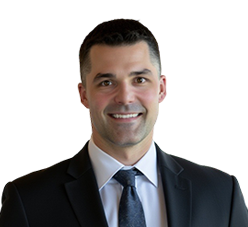
Grant H. Garcia, MD is a board-certified, fellowship-trained orthopedic surgeon specializing in sports medicine, shoulder surgery, knee preservation, and cartilage restoration. He serves patients throughout the Seattle, Bellevue, Everett, and Kirkland areas, helping athletes and active individuals recover from injuries and return to the activities they enjoy. Dr. Garcia completed advanced training at Hospital for Special Surgery and Rush University Medical Center and is recognized for his expertise in minimally invasive arthroscopic procedures, ACL reconstruction, meniscus repair, shoulder instability, and joint preservation techniques.