

 Book An Appointment



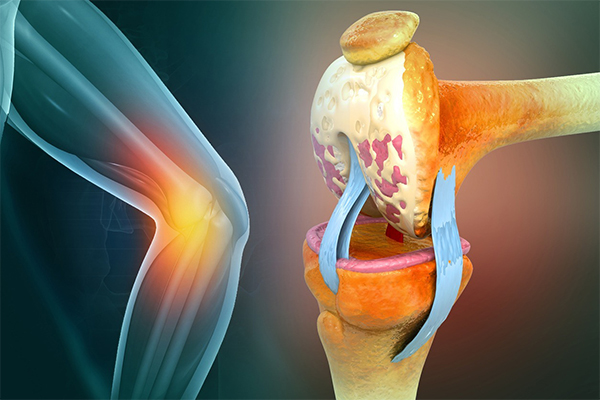
When cartilage is damaged, patients may experience pain, swelling, catching, stiffness, or a feeling that the joint is not moving normally. Cartilage injuries can affect active adults, competitive athletes, teenagers, and people who have had a previous joint injury. They may develop suddenly after trauma or gradually from repetitive stress, alignment problems, or early degenerative change. For patients in Seattle, Bellevue, Everett, and Kirkland, early evaluation of cartilage damage can be important. Cartilage has limited natural healing capacity, so the right diagnosis can help guide treatment and protect long-term joint health.
What Is Articular Cartilage?
Articular cartilage is the smooth tissue that lines the surfaces of bones within a joint. In the knee, it helps the thighbone, shinbone, and kneecap glide during movement. Cartilage is also found in the shoulder and other joints.
Unlike many tissues in the body, cartilage has limited blood supply. This means a cartilage injury may not heal in the same way as a muscle strain or minor skin injury. The size, location, depth, and cause of cartilage damage all matter when determining the best treatment plan.
Common Causes of Cartilage Damage
Cartilage damage can occur for several reasons. Understanding the cause helps an orthopedic specialist determine whether non-surgical treatment, rehabilitation, joint preservation, or cartilage restoration may be appropriate.
Acute Sports Injuries
A sudden twist, direct impact, awkward landing, fall, or collision can damage cartilage. These injuries are common in sports involving jumping, pivoting, cutting, contact, or high-speed movement.
Cartilage damage may occur alone or alongside another injury, such as an ACL tear, meniscus tear, patellar dislocation, or shoulder instability episode.
Repetitive Impact and Overuse
Running, jumping, squatting, lifting, and repetitive training can place stress on the joint over time. While regular exercise is beneficial, rapid changes in training volume, poor recovery, inadequate strength, or repetitive impact may contribute to joint symptoms and cartilage wear in susceptible individuals.
Overuse does not always mean that cartilage is permanently damaged, but persistent pain or swelling should be evaluated rather than ignored.
Patellar Instability and Kneecap Maltracking
The kneecap should move smoothly in its groove as the knee bends and straightens. A patellar dislocation, repeated instability, or abnormal kneecap tracking can damage cartilage on the patella or the femoral groove.
Patients may notice pain in the front of the knee, a sense that the kneecap is shifting, swelling after activity, or discomfort with stairs and squatting.
Meniscus Injury or Meniscus Deficiency
The meniscus is a cushioning structure in the knee that helps distribute force across the cartilage. A torn, removed, or deficient meniscus can increase stress on the articular cartilage.
For selected patients, meniscal repair or meniscal transplantation may be part of a joint-preservation plan designed to protect the knee.
Limb Alignment Problems
The way the leg is aligned affects how force travels through the knee. If too much pressure is repeatedly placed on one part of the joint, cartilage in that area may wear down more quickly.
In selected patients, limb realignment procedures such as high tibial osteotomy or distal femoral osteotomy may be considered alongside cartilage restoration to unload and protect the damaged area.
Osteochondritis Dissecans (OCD)
Osteochondritis dissecans is a condition in which bone and cartilage may become damaged, often in the knee. It can affect adolescents and young adults, particularly those who participate in sports.
Symptoms may include pain, swelling, catching, locking, or reduced motion. Early assessment is important because treatment depends on whether the damaged area is stable and how much cartilage and bone are involved.
Previous Joint Injury or Surgery
A prior fracture, dislocation, ligament injury, or meniscus injury can change joint mechanics and increase the risk of cartilage damage over time. Previous surgery may also influence future treatment planning.
A cartilage restoration specialist considers the complete history of the joint—not just the newest MRI finding.
Early Degenerative Changes
Cartilage can become thinner or damaged gradually through wear, aging, previous injuries, joint mechanics, or arthritis. Cartilage restoration is generally most appropriate for selected focal cartilage injuries rather than widespread advanced arthritis.
Symptoms of Cartilage Damage
Cartilage damage does not always cause immediate symptoms. Some people continue exercising for weeks or months before noticing a problem.
- Pain during weight-bearing activity
- Swelling after exercise or sports
- Stiffness or reduced range of motion
- Catching, locking, or grinding
- A feeling that the joint is not moving smoothly
- Pain with stairs, squatting, kneeling, or jumping
- Pain that returns despite rest or rehabilitation
These symptoms can also be caused by meniscus tears, ligament injuries, tendon problems, arthritis, or other conditions. An orthopedic evaluation is needed for an accurate diagnosis.
How Is Cartilage Damage Diagnosed?
Diagnosis begins with a detailed discussion of symptoms, sports participation, prior injuries, and treatment goals. Dr. Garcia may evaluate joint motion, strength, stability, alignment, and movement patterns during a consultation.
X-rays can help assess joint alignment, bone changes, and arthritis. MRI is often used to evaluate cartilage, meniscus, ligaments, bone, and other soft tissues. In some cases, additional imaging or diagnostic arthroscopy may be recommended.
The goal is to identify not only the cartilage defect, but also the reason it developed. Factors such as meniscus deficiency, joint instability, and limb alignment may need to be addressed to protect a cartilage restoration procedure.
Cartilage Restoration Options in Seattle
Treatment is individualized based on the location and size of the cartilage injury, condition of the surrounding joint, age, activity level, alignment, and goals.
Non-surgical care may include activity modification, physical therapy, bracing, medication when appropriate, and biologic treatment options, including platelet rich plasma and stem cell therapy, for selected patients. When surgery is recommended, Dr. Garcia offers advanced joint-preservation and cartilage-restoration options, including:
- Cartilage transplantation
- Osteochondral autograft transplantation (OATs)
- Matrix-induced autologous chondrocyte implantation (MACI)
- Agili-C cartilage implant
- Meniscal transplantation
- Microfracture Plus
- High tibial osteotomy
- Distal femoral osteotomy
- Tibial tubercle osteotomy
Not every procedure is appropriate for every cartilage injury. The best plan addresses the damaged area and the underlying forces that contributed to it.
Why Early Evaluation Matters
Ignoring recurring joint pain or swelling can allow a cartilage problem to become more limiting. Early evaluation does not mean surgery is inevitable. It gives patients the opportunity to understand the injury, protect the joint, and consider treatment options before symptoms interfere further with work, sports, or daily activities.
Frequently Asked Questions About Cartilage Damage
Can damaged cartilage heal on its own?
Cartilage has limited blood supply and limited natural healing capacity. Small injuries may sometimes be managed without surgery, but larger or symptomatic cartilage defects may require specialized evaluation and treatment.
What causes cartilage damage in the knee?
Common causes include sports injuries, patellar instability, meniscus tears or deficiency, ligament injuries, alignment problems, repetitive loading, osteochondritis dissecans, and degenerative changes. .
Can an MRI show cartilage damage?
MRI can provide valuable information about cartilage, ligaments, meniscus, bone, and other joint structures. Your orthopedic specialist may use MRI along with X-rays and a physical examination to confirm the diagnosis.
Is cartilage restoration the same as knee replacement?
No. Cartilage restoration and joint-preservation procedures are designed to treat selected focal cartilage injuries while preserving the natural joint. Knee replacement is generally considered for advanced arthritis with more widespread joint damage.
Who is a candidate for cartilage restoration?
Candidates may include active patients with focal cartilage defects, persistent symptoms, and otherwise healthy joint structures. Eligibility depends on the injury location, defect size, alignment, meniscus condition, stability, activity level, and arthritis stage.
Can a meniscus tear affect cartilage?
Yes. The meniscus helps cushion and distribute forces within the knee. A torn, removed, or deficient meniscus can increase pressure on cartilage and contribute to joint wear.
What is MACI cartilage restoration?
MACI is a cartilage restoration technique that uses a patient’s own cartilage cells to help treat selected cartilage defects in the knee. A cartilage specialist can determine whether it is appropriate based on the specific injury and joint condition.
How long is recovery after cartilage restoration?
Recovery varies widely by procedure, location of the cartilage defect, and whether other procedures are performed at the same time. Rehabilitation is an important part of restoring strength, mobility, and safe return to activity.
Cartilage Restoration Care in Seattle, Bellevue, Everett & Kirkland
Cartilage damage should be evaluated in the context of your entire joint, activity level, and long-term goals. Dr. Grant H. Garcia provides advanced cartilage restoration and knee-preservation care for patients from Seattle, Bellevue, Everett, Kirkland, and throughout the Pacific Northwest.
Contact Dr. Garcia's office to schedule a consultation and learn whether a cartilage-restoration or joint-preservation strategy may be appropriate for your condition.
Grant H. Garcia, MD is a board-certified, fellowship-trained orthopedic surgeon specializing in sports medicine, shoulder surgery, knee preservation, and cartilage restoration. He serves patients throughout the Seattle, Bellevue, Everett, and Kirkland areas, helping athletes and active individuals recover from injuries and return to the activities they enjoy. Dr. Garcia completed advanced training at Hospital for Special Surgery and Rush University Medical Center and is recognized for his expertise in minimally invasive arthroscopic procedures, ACL reconstruction, meniscus repair, shoulder instability, and joint preservation techniques.