

 Book An Appointment



Dr. Grant Garcia specializes in the diagnosis and treatment of frozen shoulder, also known as adhesive capsulitis, a condition characterized by pain, stiffness, and progressive loss of shoulder motion. Frozen shoulder can make everyday activities challenging and significantly impact quality of life. Patients in Seattle, Bellevue, Everett, and Kirkland, WA, receive personalized treatment plans focused on reducing pain, restoring mobility, and improving long-term shoulder function.
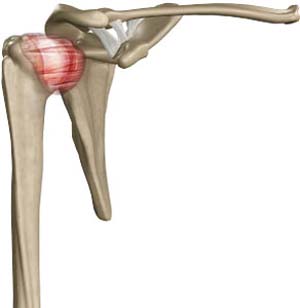
Frozen shoulder, also called adhesive capsulitis is a condition characterized by pain and loss of motion in shoulder joint. It is more common in older adults aged between 40 and 60 years and is more common in women than men.
Causes
Frozen shoulder is caused by inflammation of the ligaments holding the shoulder bones to each other. The shoulder capsule becomes thick, tight, and the stiff bands of tissue called adhesions may develop. Individuals with shoulder injury, shoulder surgeries, shoulder immobilized for longer period, other disease conditions such as diabetes, hypothyroidism, hyperthyroidism, Parkinson’s disease and cardiac diseases are at risk of developing frozen shoulder.
Symptoms
Frozen shoulder may cause pain and stiffness and limit the movements of shoulder.
Diagnosis
Frozen shoulder condition can be diagnosed by the presenting symptoms and radiological diagnostic procedures such as X-rays or MRI scans.
Conservative Treatment
Conservative Treatment options include:
- Non-steroidal anti-inflammatory drugs and steroid injections for pain
- Physical therapy to improve your range of motion
- Sometimes heat may be applied to reduce pain
Surgery
Your surgeon may recommend Shoulder arthroscopy when the conservative treatment does not work. During surgery, the scar tissue will be removed and tight ligaments, if any, will be dissected. Following surgery physical therapy will be advised to bring full range of motion and strengthen the muscles.